Brands & Alternatives
The best Bluetooth speaker brands
Nobody is best at everything. Here is what each brand is genuinely good at, and the model that proves it.
By Ryder M.Published
 Field-tested picks · 2026
How we are funded: Thump & Tote earns a commission when you buy through our Amazon links, at no extra cost to you. It never changes which speaker we put first — see how we pick and our affiliate disclosure.
Quick picks
Ranked for value first. Tap any row to jump to the full write-up.
| # | Product | Best for | Price |
|---|---|---|---|
| 1 | 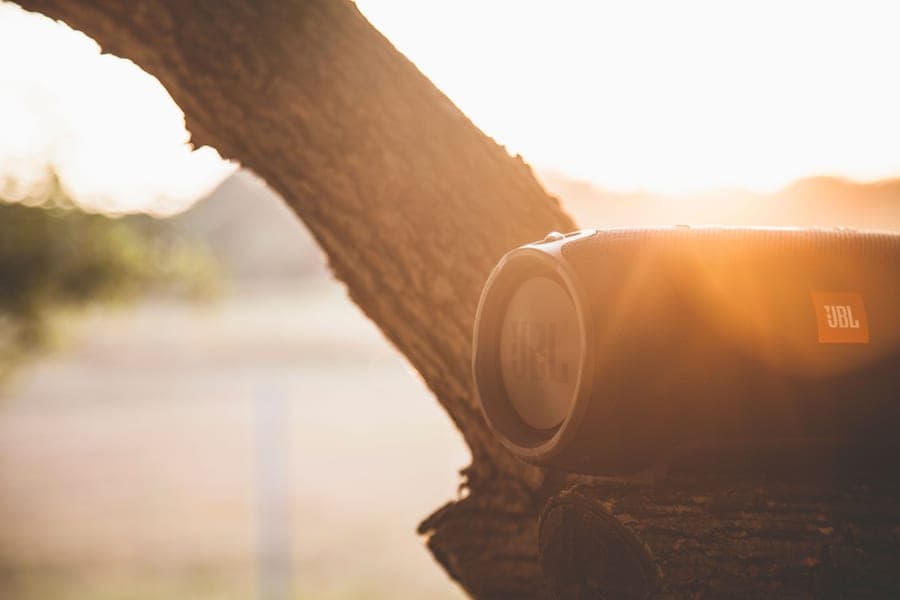 Illustrative IllustrativeJBL Flip 7JBL is the most consistent, and consistency is worth paying for. | Best brand overall | Check price on Amazon |
| 2 |  Illustrative IllustrativeSoundcore Boom 2Soundcore ships real hardware where others ship an EQ curve. | Best value brand | Check price on Amazon |
| 3 | 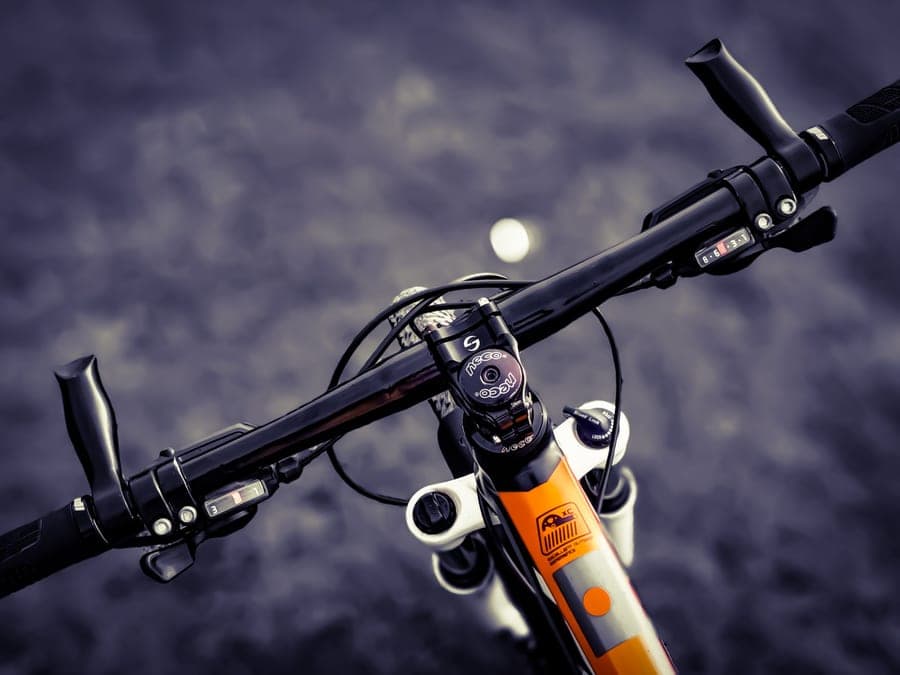 Illustrative IllustrativeTribit StormBox Micro 2Tribit's cheap speakers are argued, not just priced. | Best brand under $50 | Check price on Amazon |
| 4 |  Illustrative IllustrativeUE Wonderboom 4Ultimate Ears builds for abuse better than anyone. | Best brand for water | Check price on Amazon |
| 5 | 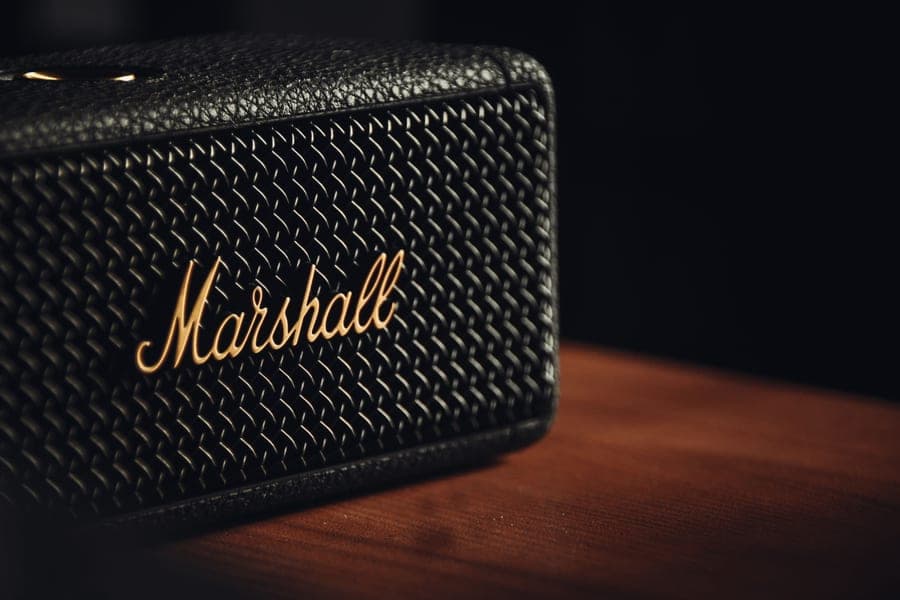 Illustrative IllustrativeBose SoundLink Flex (2nd Gen)Bose tunes voices better than anything at the size. | Best brand for sound | Check price on Amazon |
| 6 | Illustrative Marshall Emberton IIIMarshall's runtime is in a different class. | Best brand for battery | Check price on Amazon |
#ad — buy links go to Amazon and we earn a commission on qualifying purchases. Prices change constantly, so the live listing is always the price of record. Full disclosure.
JBL is the best Bluetooth speaker brand overall, because it is the most consistent: pick any model in its current range and you get a sensible tuning, a real IP rating and firmware that works. But it is almost never the best *value* — that is Soundcore, which puts actual hardware (a separate subwoofer, a second driver) where cheaper brands put a bass-boost mode. Under $50, Tribit is the brand to shortlist first.
Brand questions get answered badly because the honest answer is boring: there is no best brand, only brands that are good at particular things. What follows is a short, specific account of what each of the six brands we recommend is actually good at, and the single model that makes the case. Where a brand is overcharging, this page says so — the whole premise of this site is that JBL is the thing everyone else is undercutting, not the thing everyone should buy.
JBL — the most consistent, and the most expensive for it
JBL's real advantage is not sound, it is predictability. Across the Go, Clip, Flip, Charge and Xtreme lines the tuning is recognizably the same house sound, the IP ratings are real and published, and the Auracast linking works between models rather than only within a generation. If you buy a JBL you know what you are getting, and that is worth something.
What you pay for it is a consistent premium over equivalent speakers from the value brands — often enough to buy a second speaker. That premium is most defensible in the middle of the range and least defensible at the bottom, where the Go 4 is mostly a badge. We take the whole question apart in is JBL worth it.
IllustrativeThe speaker that makes JBL's case
JBL Flip 7
The default mid-size pick, and the speaker every value brand is trying to undercut.
- What it does well
- Even tonality from quiet to loud, a genuinely rugged IP68 shell, and Auracast linking that chains speakers without an app dance. It is the model every value brand benchmarks against, and it earns that position.
- Where it cuts corners
- You pay the JBL premium in full, and several speakers here run far longer for less. There is no aux input.
- Who it is for
- Buyers who want one speaker to be competent at everything and are willing to pay for not having to think about it.
- Battery: 14 hours, plus up to 2 more in Playtime Boost mode
- Water rating: IP68 — submersible to 1.5 m for 30 minutes, dustproof
- Weight: 1.82 lb (about 560 g)
#ad — we earn a commission on qualifying purchases. How this is funded
Soundcore (Anker) — the best value brand, by hardware
Soundcore is Anker's audio brand, and its distinguishing habit is spending the budget on drivers rather than marketing. The Boom 2 has a genuine 50 W subwoofer and two tweeters; most speakers at that money have one full-range driver and a DSP curve called something with the word "bass" in it. Anker's app support and firmware are also better than the rest of the value field, and warranty handling is the least painful here after JBL.
The weakness is restraint: Soundcore's default tunings lean heavily on bass lift, and the quoted battery figures assume you have turned off the features you bought it for. The comparison is laid out properly in Soundcore vs JBL.
IllustrativeThe speaker that makes Soundcore's case
Soundcore Boom 2
The value answer to a party speaker: it floats, it is loud, and it lasts a day.
- What it does well
- A dedicated 50 W subwoofer plus two 15 W tweeters — real hardware rather than an EQ trick — plus a carry strap and a body that floats. For party-capable output per dollar nothing else here is close.
- Where it cuts corners
- The quoted 24 hours assumes BassUp and the light ring are off, which is not how anyone uses it. It is bulky enough to live in the car rather than the bag.
- Who it is for
- Backyards, pools and tailgates where output matters more than refinement.
- Battery: Up to 24 hours at 50% volume with BassUp and lights off
- Water rating: IPX7 — submersible to 1 m for 30 minutes, and it floats
- Output: Up to 80 W peak output (a 50 W subwoofer plus two 15 W tweeters)
#ad — we earn a commission on qualifying purchases. How this is funded
Tribit — the best brand under $50
Tribit's speakers are the most *argued* cheap speakers on the market: a passive radiator where a rival fits nothing, an aux input where a rival deletes one, a strap molded into the body rather than sold separately. It is a brand that reads like somebody decided what the speaker was for before costing it.
The costs are real too. Fit and finish trails JBL visibly, support is slower, and Tribit's street pricing swings so widely that the same model can be a bargain one week and indifferent value the next. Check before assuming. Tribit vs JBL covers where the gap is real and where it is imagined.
IllustrativeThe speaker that makes Tribit's case
Tribit StormBox Micro 2
The best-argued cheap speaker on the market, and now a last-generation bargain.
- What it does well
- Punches far past its size thanks to a passive radiator, and the molded strap mounts it to a handlebar or a bag without an accessory. Being superseded by the Micro 3 is exactly what makes it good value now.
- Where it cuts corners
- Ten watts is ten watts — outdoors with any wind it runs out of headroom quickly, and color choices are thinning as stock clears.
- Who it is for
- Cyclists, hikers and anyone who wants the most speaker per dollar in a pocket size.
- Battery: Up to 12 hours
- Water rating: IP67 — submersible to 1 m for 30 minutes, dustproof
- Output: 10 W
- Weight: 315 g
#ad — we earn a commission on qualifying purchases. How this is funded
Ultimate Ears — the brand to buy for water and abuse
Ultimate Ears builds the most abuse-tolerant portables in this price range, and it is the only brand here that publishes a drop rating rather than leaving ruggedness to an IP number. Its 360-degree cylinders also solve a real problem: outdoors, nobody is sitting in the stereo sweet spot, so throwing sound in all directions is a better use of the driver than imaging you will never hear.
What you give up is inputs and refinement. There is no aux jack anywhere in the range, the speakerphone is an afterthought, and UE charges close to JBL money. Buy it for the pool, the boat and the kids, not for sitting down and listening.
IllustrativeThe speaker that makes Ultimate Ears' case
UE Wonderboom 4
The one to buy if the speaker is going anywhere near water.
- What it does well
- Floats face-up, survives a five-foot drop onto concrete, and throws sound in every direction — which matters far more around a pool than on-axis accuracy ever does. Fourteen hours covers a full day out.
- Where it cuts corners
- No aux input, no usable speakerphone, and the 360-degree design trades stereo imaging away entirely. Priced close to JBL.
- Who it is for
- Pool, beach, boat and shower — anywhere a drop is likely rather than possible.
- Battery: 14 hours
- Water rating: IP67 — submersible to 1 m for 30 minutes, dustproof, and it floats
- Weight: 14.81 oz (420 g)
#ad — we earn a commission on qualifying purchases. How this is funded
Bose — the best-sounding brand, at a price
Bose is the brand this site recommends least often and respects most. Its portables are tonally the most convincing things in their size class — voices sit forward, bass is controlled rather than merely present — and the build is a visible step above everything cheaper. Bose is also, unusually for a premium brand, still fitting aux inputs on some models, which matters for turntables and projectors.
The problem is arithmetic. The price gap to the value picks is consistently larger than the sound gap, for most listeners in most rooms, and Bose's battery figures are beaten by speakers costing a third as much. It is the right buy for people who will genuinely sit and listen. Bose vs JBL is the direct comparison.
IllustrativeThe speaker that makes Bose's case
Bose SoundLink Flex (2nd Gen)
The premium benchmark on this site — included so you can see what the money buys.
- What it does well
- The most convincing tonality in this size class — voices forward, bass controlled instead of merely loud — and build quality clearly above anything cheaper. IP67 and a silicone-wrapped body mean it is not precious.
- Where it cuts corners
- Twelve hours is beaten by speakers costing a third as much, and the price gap to the value field is larger than the sound gap for most people in most rooms.
- Who it is for
- Listeners who will sit down and listen, rather than people who need background music at a barbecue.
- Battery: Up to 12 hours
- Water rating: IP67 — submersible to 1 m for 30 minutes, dustproof
#ad — we earn a commission on qualifying purchases. How this is funded
Marshall — the battery brand, with a tuning to match
Marshall sells on the amplifier styling, and that is fair enough, but the actual reason to consider one is runtime. Thirty-two-plus hours from a speaker you can put in a coat pocket is in a different class from the fourteen hours that counts as good elsewhere, and the twenty-minute fast charge is genuinely useful rather than a spec-sheet line.
The tuning is restrained in a way budget speakers never are — it sounds like a small hi-fi rather than a loud toy — but it is not loud, there is no aux input, and the price sits well above this site's usual ceiling. Buy it for long trips and home listening, not for a party.
IllustrativeThe speaker that makes Marshall's case
Marshall Emberton III
Thirty-two hours and a genuinely grown-up tuning, in something you can pocket in a coat.
- What it does well
- Thirty-two-plus hours is the longest runtime of any speaker this size we recommend, twenty minutes of charging returns about six hours, and the tuning is grown-up in a way the value field is not.
- Where it cuts corners
- No aux input at all, so it is the wrong speaker for a turntable or a TV, and it is not especially loud for the money. You are paying for refinement and battery.
- Who it is for
- Home listening, long trips, and anyone who values tuning over volume.
- Battery: 32+ hours, with 20 minutes of charging giving about 6 hours
- Water rating: IP67 — submersible to 1 m for 30 minutes, dustproof
- Output: Two 38 W Class D amplifiers driving two 10 W full-range drivers plus two passive radiators
- Weight: 1.5 lb (0.67 kg)
#ad — we earn a commission on qualifying purchases. How this is funded
Brands at a glance
| Brand | Best at | Weakest at | The model that proves it |
|---|---|---|---|
| JBL | Consistency across the range | Value, especially at the bottom | JBL Flip 7 |
| Soundcore (Anker) | Hardware per dollar | Restraint in tuning | Soundcore Boom 2 |
| Tribit | Thoughtful cheap speakers | Fit, finish and stable pricing | StormBox Micro 2 |
| Ultimate Ears | Surviving water and drops | Inputs and refinement | UE Wonderboom 4 |
| Bose | Tonality and voices | Battery life and price | SoundLink Flex (2nd Gen) |
| Marshall | Runtime and tuning | Output and inputs | Marshall Emberton III |
Brands we do not recommend, and why
We do not have a recommendation in the supermarket-brand tier — the unbranded and house-label speakers that fill marketplace search results. The reason is not snobbery: it is that those listings change identity constantly, so a model we checked this month may be a different product under the same name next month. A brand that keeps selling the same speaker is doing something valuable even if the speaker is ordinary.
We also take no position on the big home-audio names that sell a portable as a side line. They may be excellent; we have not worked through enough of their range to say anything useful, and saying nothing is better than filling a table. Our full method is on how we pick, and the live shortlist by budget starts at best Bluetooth speakers.
Frequently asked questions
What is the best Bluetooth speaker brand?
Is JBL better than Soundcore?
Which Bluetooth speaker brand lasts the longest?
Are cheap Bluetooth speaker brands any good?
Which brand has the best sound quality?
Update log
- First publication. Each brand assessed on what it is demonstrably good at across its current range, with one model named as the evidence. Specifications from the manufacturer listings cited below.
Sources
Every specification quoted above comes from the manufacturer or retailer listing below. We publish no measurements of our own — see how we pick.
- JBL — Flip 7 product page (manufacturer specifications)
- RTINGS — JBL Flip 7 measurements (independent test lab)
- Soundcore — Boom 2 product page (manufacturer specifications)
- Soundcore — Boom 2 support FAQ
- Tom's Guide — Tribit StormBox Micro 2 review
- Ultimate Ears — Wonderboom 4 product page (manufacturer specifications)
- Bose — SoundLink Flex (2nd Gen) product page
- Bose — SoundLink Flex (2nd Gen) specification sheet (PDF)
- Marshall — Emberton III product page (manufacturer specifications)
- TechRadar — Marshall Emberton III review
Read next
Brands & Alternatives
JBL alternatives: what you actually give up going cheaper
Each popular JBL mapped to its cheaper equivalent, with the real cost of each swap stated.
Brands & Alternatives
Is JBL worth it? A direct answer
The brand-premium question answered directly, with the one variable that decides it.
Head-to-Head
Soundcore vs JBL: which should you buy?
Specifications per dollar against build quality — the decision that shapes most speaker purchases.
Head-to-Head
Tribit vs JBL: which should you buy?
The widest price gap in the category — what it buys and what it costs.
Head-to-Head
Bose vs JBL: which portable speaker should you buy?
Tonal accuracy against durability and battery — and the setting where the difference vanishes.

Guides
How to spot a fake Bluetooth speaker
The listing checks that catch a counterfeit before you buy, and the box checks for after.