Head-to-Head
JBL Flip 7 vs Flip 6: is the newer one worth it?
The classic value question: buy the current model, or the outgoing one at a discount?
By Ryder M.Published
 Field-tested picks · 2026
How we are funded: Thump & Tote earns a commission when you buy through our Amazon links, at no extra cost to you. It never changes which speaker we put first — see how we pick and our affiliate disclosure.
Quick picks
Ranked for value first. Tap any row to jump to the full write-up.
| # | Product | Best for | Price |
|---|---|---|---|
| 1 | Illustrative JBL Flip 7The linking upgrade is the real change. | If you want Auracast | Check price on Amazon |
| 2 | 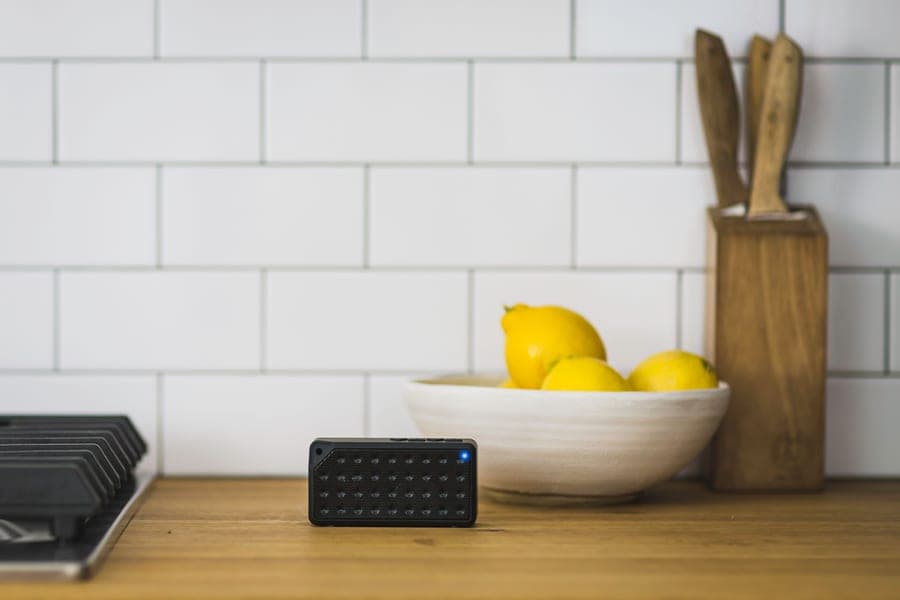 Illustrative IllustrativeSoundcore Motion 300Cheaper than either Flip, and stereo. | If value is the point | Check price on Amazon |
#ad — buy links go to Amazon and we earn a commission on qualifying purchases. Prices change constantly, so the live listing is always the price of record. Full disclosure.
Buy a discounted Flip 6 unless you want Auracast linking. The Flip 7's meaningful additions are Auracast multi-speaker linking, USB-C lossless audio input and a step from IP67 to IP68 sealing. Sound quality and battery life are close enough that the price difference is rarely justified on those alone.
This is the single most valuable question in portable audio and almost nobody asks it deliberately. Manufacturers iterate on a fast cycle, the outgoing model's price drops sharply the moment a replacement is announced, and the changes between generations are frequently confined to connectivity and cosmetics. Knowing which is which is worth real money.
With the Flip 7, the changes are more substantial than a typical refresh but still narrow. They are concentrated entirely in connectivity and sealing — the acoustic design is an evolution rather than a rethink.
What actually changed
| Flip 6 | Flip 7 | |
|---|---|---|
| Water and dust | IP67 | IP68 — a genuine step up |
| Multi-speaker linking | PartyBoost (JBL's older system) | Auracast — cross-range, far cleaner |
| Wired audio input | No | USB-C lossless audio |
| Bluetooth | 5.1 | 5.4 |
| Battery | About 12 hours | 14 hours, plus up to 2 in boost mode |
| Mounting | No integrated loop | Clip-on loop included |
| Price position | Discounted | Current, full price |
The Auracast change is the one that matters most, and it is not backward compatible — a Flip 6 using PartyBoost will not link with a Flip 7 using Auracast. If you already own a PartyBoost-era JBL and want to add a second speaker, that is a strong argument for buying another Flip 6 rather than a Flip 7.
Who should buy which
Buy the Flip 7 if
- You want Auracast linking, or expect to add more JBL speakers later.
- You want the IP68 rating specifically — sandy and dusty environments benefit.
- You will use the USB-C lossless input from a laptop or phone.
- The discount on the Flip 6 is small, which happens when stock runs low.
Buy a discounted Flip 6 if
- You want one speaker and have no plans for a second.
- IP67 is enough, which it is for pools, rain and most beaches.
- You already own PartyBoost-era JBL speakers you want to link with.
- The discount is substantial — this is the whole argument.
The option neither of them is
IllustrativeThe value alternative to both
Soundcore Motion 300
Our default recommendation under $100 — stereo, slim, and honestly specified.
- What it does well
- Cheaper than either Flip generation, and it offers genuine stereo separation that no Flip does. IPX7, thirteen hours, SmartTune orientation sensing, and a flat profile that packs better than a cylinder.
- Where it cuts corners
- No dust rating, no Auracast, and build quality below JBL's. If you specifically want the JBL ecosystem this is not a substitute.
- Who it is for
- Anyone whose reason for looking at a Flip was the price rather than the brand.
- Battery: 13 hours
- Water rating: IPX7 — submersible to 1 m for 30 minutes
- Output: 30 W stereo (two 15 W full-range drivers)
#ad — we earn a commission on qualifying purchases. How this is funded
IllustrativeThe current generation
JBL Flip 7
The default mid-size pick, and the speaker every value brand is trying to undercut.
- What it does well
- IP68 sealing, fourteen hours plus a boost mode, Auracast, USB-C lossless input and a clip-on loop. Even tonality at every volume, and the build quality that justifies JBL's premium.
- Where it cuts corners
- The improvements over a Flip 6 are concentrated in connectivity rather than sound, so at full price against a well-discounted Flip 6 the value case is weak. Still mono.
- Who it is for
- Buyers who want the linking, the sealing, or simply the current model.
- Battery: 14 hours, plus up to 2 more in Playtime Boost mode
- Water rating: IP68 — submersible to 1.5 m for 30 minutes, dustproof
- Weight: 1.82 lb (about 560 g)
#ad — we earn a commission on qualifying purchases. How this is funded
The general rule
The same exercise for JBL's larger model is on Charge 6 vs Charge 5, and the broader tactic is covered in best for the money, where buying the outgoing generation is the first of the two moves that save the most. If you are still deciding between sizes rather than generations, Flip 7 vs Charge 6 is the page you want.
Frequently asked questions
Is the JBL Flip 7 better than the Flip 6?
Will a Flip 6 and a Flip 7 pair together?
Should I buy the older JBL model to save money?
Is IP68 much better than IP67?
Update log
- First publication. Changes sorted into categories so the value question can be answered rather than asserted.
Sources
Every specification quoted above comes from the manufacturer or retailer listing below. We publish no measurements of our own — see how we pick.
Read next
Head-to-Head
JBL Charge 6 vs Charge 5: is the upgrade worth it?
What JBL actually changed on its long-battery model, and whether it justifies full price.
Head-to-Head
JBL Flip 7 vs Charge 6: which one should you buy?
JBL's two most popular portables compared — and why the answer is about carrying, not sound.
By Price
The best Bluetooth speaker for the money in 2026
The single best-value speaker at each price point, plus the two tactics that save the most money.
Reviews
JBL Flip 7 review
The benchmark speaker reviewed — what the premium buys and when it stops being worth it.
Brands & Alternatives
JBL speakers: which one is actually worth buying
The JBL lineup decoded — what each model is for and which one a value buyer should pick.

Guides
What IPX7 and IP67 actually mean
Every IP rating decoded, and the single character that decides pool versus beach.