Guides
What IPX7 and IP67 actually mean
One character separates a pool speaker from a beach speaker, and almost no listing explains it.
By Ryder M.Published
 Field-tested picks · 2026
How we are funded: Thump & Tote earns a commission when you buy through our Amazon links, at no extra cost to you. It never changes which speaker we put first — see how we pick and our affiliate disclosure.
Quick picks
Ranked for value first. Tap any row to jump to the full write-up.
| # | Product | Best for | Price |
|---|---|---|---|
| 1 | 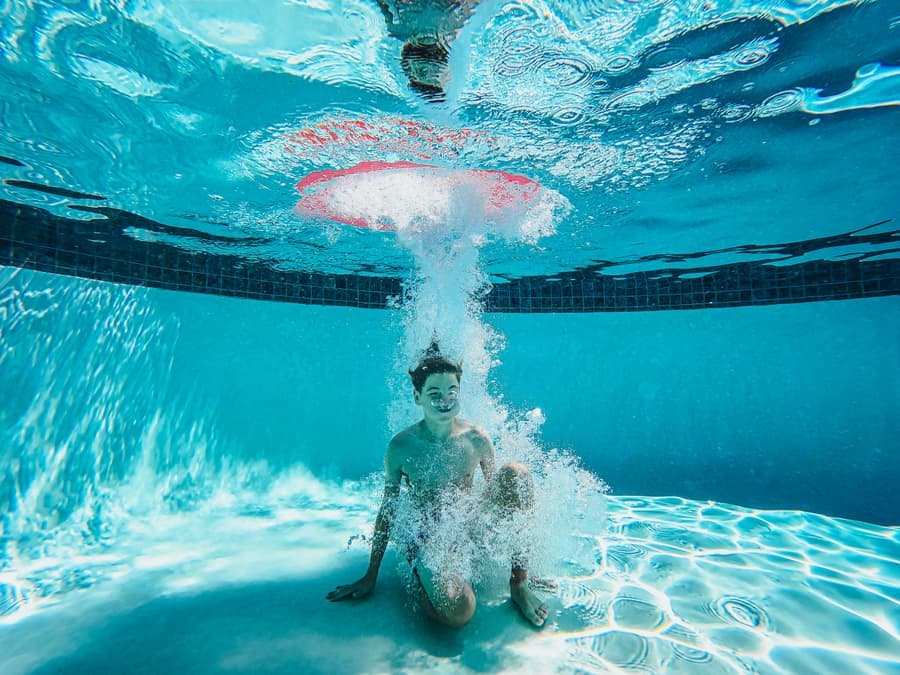 Illustrative IllustrativeUE Wonderboom 4Dust-tight, submersible, and it floats. | Best IP67 pick | Check price on Amazon |
| 2 | 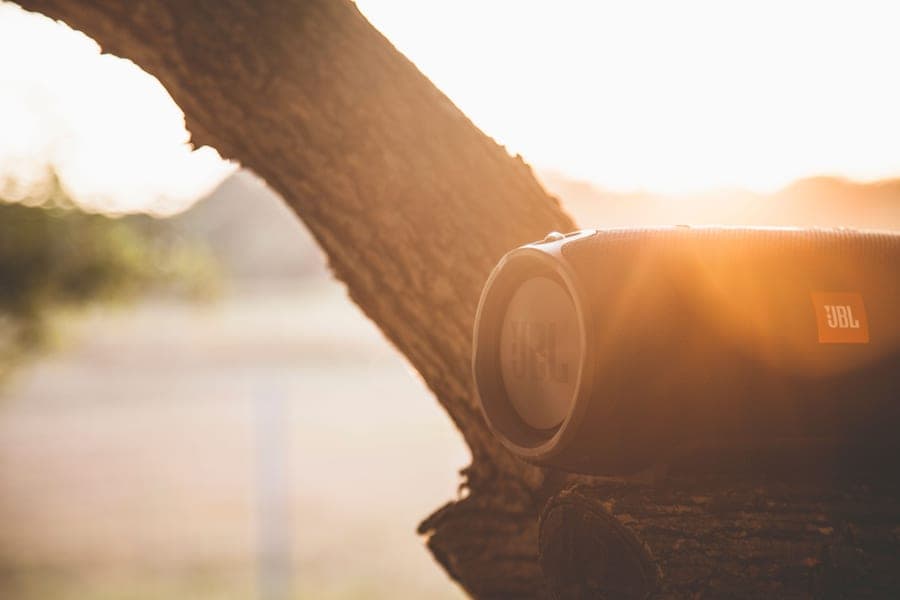 Illustrative IllustrativeJBL Flip 7IP68 — the highest on this site. | Toughest rating | Check price on Amazon |
| 3 |  Illustrative IllustrativeTribit StormBox Micro 2Full dust sealing for very little. | Best value IP67 | Check price on Amazon |
#ad — buy links go to Amazon and we earn a commission on qualifying purchases. Prices change constantly, so the live listing is always the price of record. Full disclosure.
IPX7 means a device survives thirty minutes submerged at one meter in fresh water, and that dust protection was never tested. IP67 means the same water protection plus certification that the enclosure is dust-tight. The water protection is identical — the only difference is that single first character, and it is what separates a pool speaker from a beach speaker.
IP stands for Ingress Protection and the system comes from IEC 60529, an international standard. It is genuinely informative once you can read it, and almost every product listing relies on you not being able to — which is how buyers end up paying a premium for an IPX7 speaker when the much cheaper one beside it carries the same rating.
How to read any IP rating
Two characters follow the letters IP. The first is solids, principally dust. The second is liquids, principally water. An X in either position means the manufacturer did not test that axis — not that the device fails it, simply that no claim is being made.
| Rating | Protection | Safe for |
|---|---|---|
| IPX4 | Splashing from any direction | Rain, kitchen splashes, poolside at a distance |
| IPX5 | Low-pressure water jets | A shower, a hosing down |
| IPX6 | Powerful water jets | Heavy rain, deck washing |
| IPX7 | 30 minutes submerged at 1 meter | Dropped in a pool or a sink |
| IPX8 | Submersion beyond 1 meter, per the maker's stated conditions | Whatever the manufacturer specifies — read it |
| Rating | Protection |
|---|---|
| IPX_ | Not tested — no claim made about dust |
| IP5_ | Limited dust ingress, not enough to interfere with operation |
| IP6_ | Dust-tight — no ingress at all |
IPX7 vs IP67, in one line
This matters most at a beach, where sand rather than seawater is what actually kills speakers. It matters least in a bathroom, where there is no dust to speak of and IPX5 would genuinely do.
Is IPX8 better than IP67?
Not necessarily, and this trips people up. IPX8 means submersion beyond one meter under conditions the manufacturer specifies — the standard does not fix the depth or duration, so an IPX8 claim is only as meaningful as the small print behind it. Meanwhile IPX8 still says nothing about dust. An IP67 speaker is more protected overall than an IPX8 one in any dusty environment.
As a rule: IP67 is the sweet spot for portable speakers. It is common, it costs almost nothing extra, and it covers every realistic hazard. IP68 (dust-tight plus deeper immersion) is a genuine bonus where you can get it — the JBL Flip 7 is the example on this site.
Four things no IP rating covers
- Floating. Buoyancy is a design decision, not a rating. Plenty of IPX7 speakers sink, which is fully compliant and completely useless in a pool.
- Salt water. IP testing uses fresh water. Salt corrodes grilles and charging contacts, and concentrates as it dries. Rinse after the sea.
- Chlorine. Same reasoning, milder. A rinse after a pool day genuinely extends the speaker's life.
- Steam. Sustained hot vapor is not what the liquid test measures. It condenses inside ports as a room cools, which is a slow failure mode common in bathrooms.
The picks, by rating
IllustrativeThe rating done properly
UE Wonderboom 4
The one to buy if the speaker is going anywhere near water.
- What it does well
- IP67 — certified dust-tight and submersible — plus the thing no rating covers: it floats, face-up. Add a five-foot drop rating and it is the most genuinely water-ready speaker at its size.
- Where it cuts corners
- No aux input, no stereo imaging, and it is priced close to JBL. Fourteen hours is unremarkable for the money.
- Who it is for
- Pools, beaches and boats.
- Battery: 14 hours
- Water rating: IP67 — submersible to 1 m for 30 minutes, dustproof, and it floats
- Weight: 14.81 oz (420 g)
#ad — we earn a commission on qualifying purchases. How this is funded
IllustrativeThe highest rating here
JBL Flip 7
The default mid-size pick, and the speaker every value brand is trying to undercut.
- What it does well
- IP68 — dust-tight, and submersible beyond the IP67 baseline per JBL's stated conditions. In practice it means you stop thinking about water and sand entirely.
- Where it cuts corners
- It does not float, which is a real omission for pool use. You also pay a clear premium over speakers that are sealed just as well.
- Who it is for
- Beaches and dusty environments where sealing matters most.
- Battery: 14 hours, plus up to 2 more in Playtime Boost mode
- Water rating: IP68 — submersible to 1.5 m for 30 minutes, dustproof
- Weight: 1.82 lb (about 560 g)
#ad — we earn a commission on qualifying purchases. How this is funded
IllustrativeIP67 for very little money
Tribit StormBox Micro 2
The best-argued cheap speaker on the market, and now a last-generation bargain.
- What it does well
- Full IP67 certification at a fraction of what the others cost, proving the point of this page: the rating does not track price. The molded strap keeps it attached rather than dropped.
- Where it cuts corners
- Does not float, and ten watts is thin outdoors. Previous-generation, so stock is thinning.
- Who it is for
- Anyone who wants the rating without the premium.
- Battery: Up to 12 hours
- Water rating: IP67 — submersible to 1 m for 30 minutes, dustproof
- Output: 10 W
- Weight: 315 g
#ad — we earn a commission on qualifying purchases. How this is funded
What this means for buying
The practical takeaway is a money-saving one. IPX7 has commoditized — it appears on speakers costing $25 and on speakers costing $200, and it means exactly the same thing on both. Never pay a premium for waterproofing. If a listing leads with its water rating, it is leading with the cheapest thing it has.
Pay instead for the things ratings do not cover: buoyancy, a drop rating, and a strap that stops the speaker reaching the water in the first place. Waterproof under $100 ranks on exactly those, and how to choose puts the IP rating in the context of the other three specifications that matter.
Frequently asked questions
What is IPX7?
What is the difference between IPX7 and IP67?
Is IPX7 good?
What is the difference between IPX7 and IPX8?
Does IPX7 mean waterproof?
Can Bluetooth speakers get wet?
Update log
- First publication. Both digits of the rating tabulated separately, which is the part listings omit.
Sources
Every specification quoted above comes from the manufacturer or retailer listing below. We publish no measurements of our own — see how we pick.
Read next
Waterproof
The best Bluetooth speakers for the pool in 2026
Speakers that float as well as survive — plus why an IPX7 rating on its own is not enough here.
Waterproof
The best Bluetooth speakers for the beach in 2026
Dust-sealed picks for sand and salt — and the one digit in the rating that decides this category.
Waterproof
The best waterproof Bluetooth speakers under $100 in 2026
Waterproof picks under $100 — and a clear account of which water-related features actually cost money.
Guides
How to choose a Bluetooth speaker
The complete buying framework — the four specs that matter and the three that do not.
Waterproof
The best Bluetooth speakers for the shower in 2026
Cheap works here — what a bathroom actually demands, and the mounting problem nobody solves.
Reviews
UE Wonderboom 4 review
The rugged water specialist — genuinely unmatched near a pool, hard to justify anywhere else.