Brands & Alternatives
Bose: the best sound, and the least value
Both things are true. Which one matters depends entirely on where you listen.
By Ryder M.Published
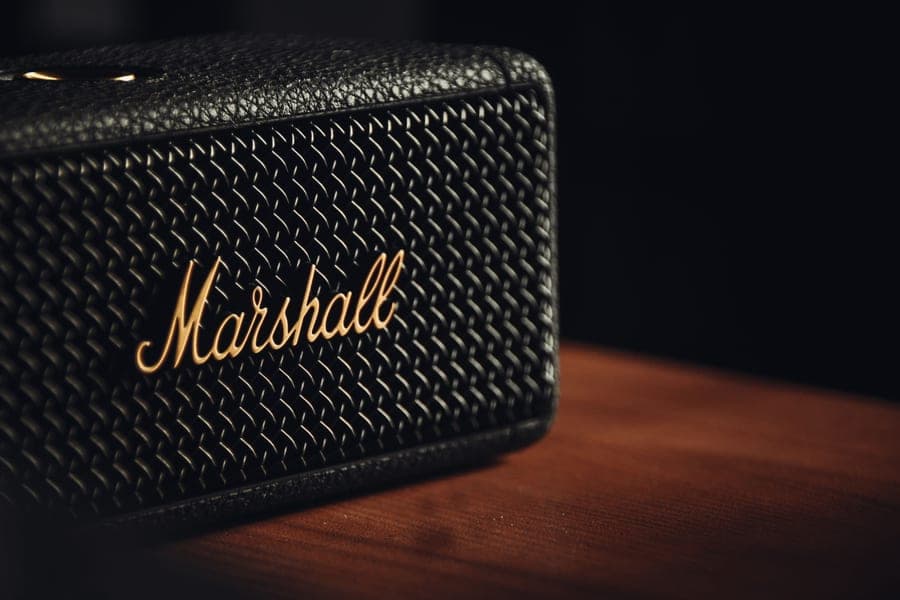 Field-tested picks · 2026
How we are funded: Thump & Tote earns a commission when you buy through our Amazon links, at no extra cost to you. It never changes which speaker we put first — see how we pick and our affiliate disclosure.
Quick picks
Ranked for value first. Tap any row to jump to the full write-up.
| # | Product | Best for | Price |
|---|---|---|---|
| 1 | Illustrative Bose SoundLink Flex (2nd Gen)The tonal benchmark in this size class. | Best sounding | Check price on Amazon |
| 2 | 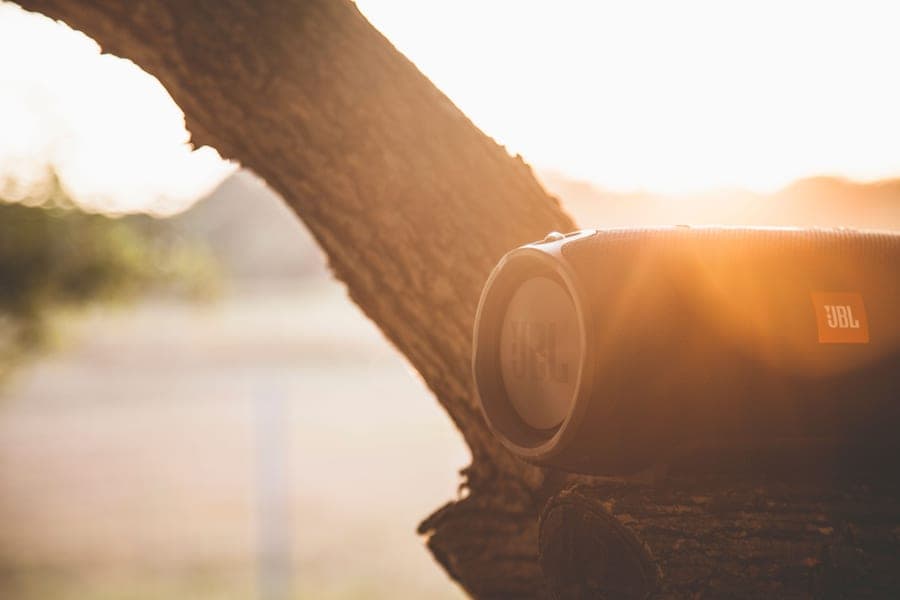 Illustrative IllustrativeJBL Flip 7Tougher, longer-lived, nearly as good. | Better all-round | Check price on Amazon |
| 3 |  Illustrative IllustrativeSoundcore Motion 300Stereo, and a fraction of the price. | Better value | Check price on Amazon |
#ad — buy links go to Amazon and we earn a commission on qualifying purchases. Prices change constantly, so the live listing is always the price of record. Full disclosure.
The Bose SoundLink Flex (2nd Gen) is the best-sounding speaker in its size class — voices sit forward, bass is controlled rather than merely loud, and build quality is a visible step above everything cheaper. It is also the worst value on this site: twelve hours of battery against rivals quoting twenty-four, at a substantial premium, and most of its tonal advantage disappears outdoors.
Bose appears on this site for a specific reason: you cannot tell whether a cheap speaker is good without something to measure it against. The SoundLink Flex is that benchmark. It demonstrates clearly what careful acoustic engineering buys, which is exactly the information a value buyer needs in order to decide how much of it they want.
The answer, for most people reading this site, is less than Bose is selling. But it is genuinely worth understanding what the gap consists of rather than dismissing it, because there is a real listener for whom this is the correct purchase.
The benchmark, and what it beats
IllustrativeThe best sound in its size class
Bose SoundLink Flex (2nd Gen)
The premium benchmark on this site — included so you can see what the money buys.
- What it does well
- Tonally the most convincing speaker here by a clear margin. Voices are forward and natural rather than scooped, and the bass is controlled — it stops when the note stops, which cheaper speakers with boosted low end do not manage. The silicone-wrapped body and IP67 sealing are properly made.
- Where it cuts corners
- Twelve hours is below speakers costing a third as much, and the price gap to the value picks is much larger than the sound gap in most real listening situations. Outdoors, the careful tuning is largely lost.
- Who it is for
- Listeners who will actually sit and listen, in a room, at moderate volume.
- Battery: Up to 12 hours
- Water rating: IP67 — submersible to 1 m for 30 minutes, dustproof
#ad — we earn a commission on qualifying purchases. How this is funded
IllustrativeThe better all-round buy
JBL Flip 7
The default mid-size pick, and the speaker every value brand is trying to undercut.
- What it does well
- IP68 rather than IP67, fourteen hours plus a boost mode, Auracast linking and USB-C lossless input — more capability for less money, in a build that survives harder use.
- Where it cuts corners
- Tonally a step behind the Bose: more excitement, less accuracy, and vocals sit further back. Still mono where rivals manage stereo.
- Who it is for
- Almost everyone weighing a Bose for general portable use.
- Battery: 14 hours, plus up to 2 more in Playtime Boost mode
- Water rating: IP68 — submersible to 1.5 m for 30 minutes, dustproof
- Weight: 1.82 lb (about 560 g)
#ad — we earn a commission on qualifying purchases. How this is funded
IllustrativeThe value counter-argument
Soundcore Motion 300
Our default recommendation under $100 — stereo, slim, and honestly specified.
- What it does well
- Genuine stereo separation, which the Bose does not offer, plus IPX7 and thirteen hours at a fraction of the price. For casual listening the gap to the Bose is much smaller than the price gap.
- Where it cuts corners
- Nowhere near the Bose for tonal accuracy or build quality, and the slim cabinet limits bass extension. No dust rating.
- Who it is for
- Anyone for whom the Bose premium fails the value test.
- Battery: 13 hours
- Water rating: IPX7 — submersible to 1 m for 30 minutes
- Output: 30 W stereo (two 15 W full-range drivers)
#ad — we earn a commission on qualifying purchases. How this is funded
Where the advantage survives, and where it does not
| Setting | Is the Bose advantage audible? | Why |
|---|---|---|
| Quiet room, moderate volume | Clearly | Nothing masks the tonal accuracy. This is where it earns its price. |
| Kitchen with background noise | Somewhat | Ambient noise masks detail; the gap narrows. |
| Patio with conversation | Barely | Voices mask exactly the range the Bose does best. |
| Open lawn or beach | No | No reflections to preserve the tuning, and cabinet size decides output instead. |
That table is the entire Bose argument in one place. The tonal advantage is real and it is fragile — it depends on a listening environment quiet enough to hear it in. Portable speakers, almost by definition, spend most of their time in environments that destroy it. Paying a premium for fidelity and then using it at a barbecue is the most expensive mistake in this category.
Battery is the harder problem
Twelve hours is not bad in absolute terms, but it sits well below speakers costing a fraction as much — the Anker Soundcore 2 quotes twenty-four. For a speaker positioned as premium, being beaten two to one on a headline specification by a budget model is difficult to defend, and it is the thing most likely to annoy an owner in daily use. More on how these figures compare in battery life.
Should you buy it?
Buy the Bose if you will genuinely sit and listen to music in a room, if tonal accuracy is something you notice and care about, and if you are prepared to charge it more often than you would a cheaper speaker. That listener exists and this is the right product for them.
Skip it if the speaker is for background music, for outdoors, or for a party — in every one of those cases the qualities you are paying for are the first ones the environment destroys, and a bigger cheaper cabinet serves you better. Bose vs JBL works through the direct comparison, and best for the money is where to go if this page has talked you out of it.
Frequently asked questions
Is Bose worth it for a portable speaker?
Does Bose sound better than JBL?
Why is the Bose battery life so short?
Is the Bose SoundLink Flex waterproof?
Update log
- First publication. Advantage assessed by listening environment rather than stated in the abstract.
Sources
Every specification quoted above comes from the manufacturer or retailer listing below. We publish no measurements of our own — see how we pick.
Read next
Head-to-Head
Bose vs JBL: which portable speaker should you buy?
Tonal accuracy against durability and battery — and the setting where the difference vanishes.
Reviews
Bose SoundLink Flex (2nd Gen) review
The premium reference point — what careful tuning genuinely buys and where it stops mattering.
By Price
The best Bluetooth speakers under $200 in 2026
Top of the value range — party-class output, long runtimes, and a candid word on diminishing returns.
Brands & Alternatives
JBL speakers: which one is actually worth buying
The JBL lineup decoded — what each model is for and which one a value buyer should pick.

By Price
The best Bluetooth speaker for the money in 2026
The single best-value speaker at each price point, plus the two tactics that save the most money.
Guides
Why cheap Bluetooth speakers sound cheap
The editorial spine of this site: what a small cabinet physically cannot do, and what it can.