Guides
How to choose a Bluetooth speaker
Four things predict whether you will like it. Everything else on the box is there to look impressive.
By Ryder M.Published
 Field-tested picks · 2026
How we are funded: Thump & Tote earns a commission when you buy through our Amazon links, at no extra cost to you. It never changes which speaker we put first — see how we pick and our affiliate disclosure.
Quick picks
Ranked for value first. Tap any row to jump to the full write-up.
| # | Product | Best for | Price |
|---|---|---|---|
| 1 | 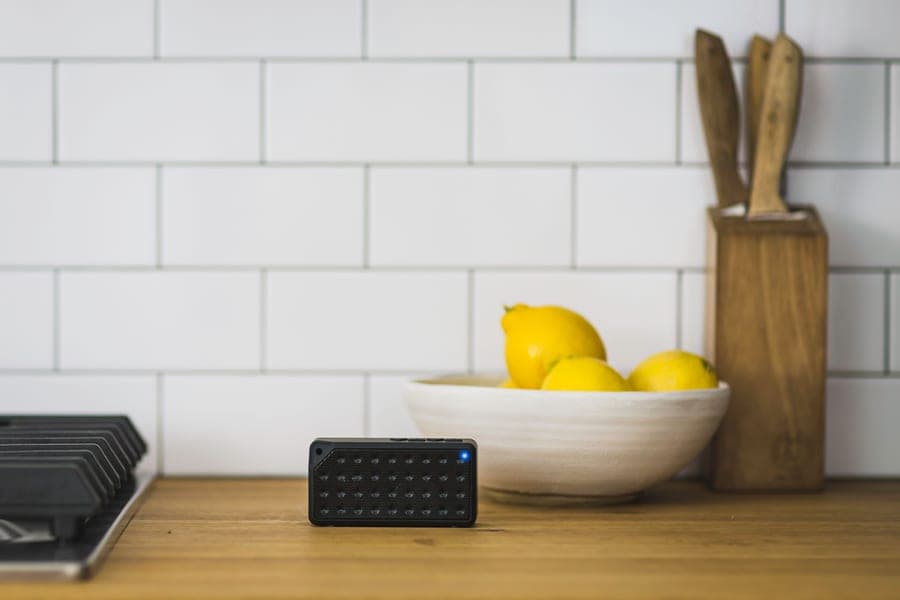 Illustrative IllustrativeSoundcore Motion 300The default answer for most buyers. | If you have no constraints | Check price on Amazon |
| 2 | 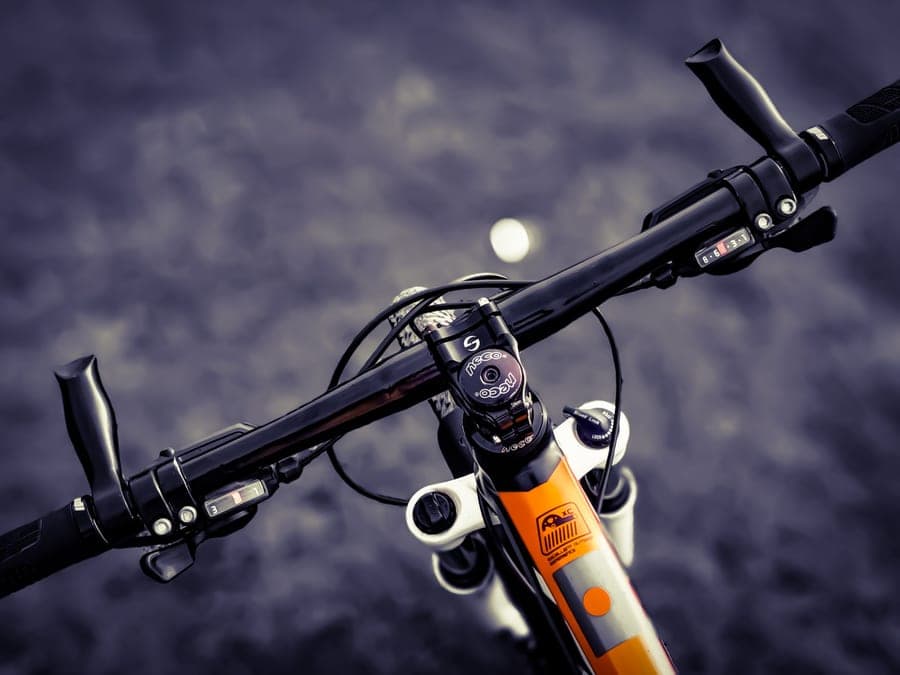 Illustrative IllustrativeTribit StormBox Micro 2The most speaker per dollar available. | If the budget is tight | Check price on Amazon |
| 3 |  Illustrative IllustrativeSoundcore Boom 2Real bass hardware, not processing. | If it is for a party | Check price on Amazon |
#ad — buy links go to Amazon and we earn a commission on qualifying purchases. Prices change constantly, so the live listing is always the price of record. Full disclosure.
Four specifications decide whether you will be happy: physical cabinet size (which predicts real-world loudness and bass), the IP rating (which decides where it can go), realistic battery life at the volume you actually use, and whether it has a strap, clip or handle. Wattage, frequency-response range and Bluetooth version almost never change the outcome.
Portable speaker listings are optimized to be hard to compare. Wattage is quoted peak or continuous, per driver or per system, with no obligation to say which. Frequency response is published without the tolerance figure that would make it meaningful. Meanwhile the specifications that genuinely predict satisfaction are either unglamorous or not printed at all.
This guide is the framework we use on every roundup on this site. Work through the four that matter, ignore the three that do not, and the shortlist gets short quickly.
1. Cabinet size — the one that actually predicts loudness
Producing sound means moving air. Producing low frequencies means moving a lot of it. A bigger cabinet with a bigger driver moves more air, which is why physical size is the single best predictor of how a speaker performs outdoors — and it is a specification you can assess from a photograph, for free, without trusting any number.
| Size | Realistic use | Our tier |
|---|---|---|
| Pocketable | One person, close range, shower, travel | Under $30 |
| Soda-can | A small room, a tent, a desk | Under $50 |
| Two-hand cylinder | A kitchen, a patio, four to six people | Under $100 |
| Carry-strap class | A garden, a tailgate, a crowd | Under $150 |
| Carry-handle class | Open ground, a party | Under $200 |
The rule that follows: buy the smallest speaker that covers your loudest realistic use. Buying above it is the most common way people overspend in this category, and buying below it is the most common way they end up disappointed. Nothing else on the spec sheet rescues a cabinet that is too small for the space.
2. The IP rating — where it can go
Two characters after the IP. The first is dust, the second is water, and an X means that axis was never tested. So IPX7 is proven water protection with unknown dust protection; IP67 is the same water protection with dust sealing certified as well.
- IPX4-IPX5 — splashes and low-pressure jets. Fine for a shower, not for a pool.
- IPX7 — thirty minutes submerged at one meter. The category standard, and it costs almost nothing.
- IP67 — the same, plus certified dust-tight. What you want for a beach.
- IP68 — dust-tight plus deeper or longer immersion per the maker's stated conditions.
- Floating — not part of any rating. The manufacturer has to state it. Essential for a pool.
The value insight here: waterproofing has commoditized. IPX7 appears at every price on this site and does not improve as you spend more, so it is never a reason to move up a tier. Full detail in IPX7 and IP67 explained.
3. Battery life — at the volume you will actually use
Every quoted runtime in this industry is measured at roughly half volume with bass processing and any lighting switched off. That is a reasonable standardized test and a poor description of how anyone uses a speaker. Under realistic use, expect between a half and two-thirds of the quoted figure, and closer to a third at a party.
Two practical consequences. First, quoted hours are comparable between brands even though they are optimistic, so use them for ranking rather than planning. Second, battery life does not track price — the longest-running speaker on this site is a years-old budget model, and one of the shortest is a premium one. Never pay more expecting more runtime. More in battery life.
4. Something to attach it to
The least glamorous specification and one of the most predictive. A speaker with a strap, a carabiner or a handle goes places a speaker without one does not — onto a handlebar, a shower caddy, a boat rail, a tent pole. It also gets carried more, and a speaker left at home is worth nothing.
This is the specification we would not compromise on for any use that involves leaving the house. It is also cheap: a molded strap costs the manufacturer almost nothing and appears on speakers in the under-$50 tier.
The three that do not matter
| Specification | Why it is on the box | Why to ignore it |
|---|---|---|
| Wattage | Big number, cheap to claim | Quoted peak or continuous, per driver or per system, without saying which. Not comparable across brands. |
| Frequency response range | Sounds technical | Published without a tolerance figure, so '20 Hz-20 kHz' is not a claim about anything measurable. |
| Bluetooth version | Newer sounds better | Affects range, stability and power draw — not sound quality. Anything 5.0 or later is fine. |
None of these is a lie exactly. They are simply not comparable between manufacturers, which makes them useless for the only thing you want them for. Watts and loudness takes the first one apart in detail.
Putting it together
IllustrativeIf you have no strong constraint
Soundcore Motion 300
Our default recommendation under $100 — stereo, slim, and honestly specified.
- What it does well
- Passes all four tests for the typical buyer: sensible cabinet size for a kitchen or patio, IPX7, thirteen honest hours, and a flat shape that packs well. Adds genuine stereo, which almost nothing at this price offers.
- Where it cuts corners
- No dust rating, does not float, and the slim cabinet caps bass extension. It is a general-purpose speaker rather than a specialist.
- Who it is for
- The default recommendation for most readers.
- Battery: 13 hours
- Water rating: IPX7 — submersible to 1 m for 30 minutes
- Output: 30 W stereo (two 15 W full-range drivers)
#ad — we earn a commission on qualifying purchases. How this is funded
IllustrativeIf the budget is the constraint
Tribit StormBox Micro 2
The best-argued cheap speaker on the market, and now a last-generation bargain.
- What it does well
- IP67, twelve hours, and the best integrated mounting strap in the category, at a fraction of the price. Its passive radiator gets genuine low end out of a small cabinet.
- Where it cuts corners
- Ten watts is thin outdoors and it does not float. Now a previous-generation model, so stock is thinning.
- Who it is for
- Bikes, packs, small rooms and tight budgets.
- Battery: Up to 12 hours
- Water rating: IP67 — submersible to 1 m for 30 minutes, dustproof
- Output: 10 W
- Weight: 315 g
#ad — we earn a commission on qualifying purchases. How this is funded
IllustrativeIf it is for a party
Soundcore Boom 2
The value answer to a party speaker: it floats, it is loud, and it lasts a day.
- What it does well
- The cabinet size test points straight here for open-air use: a dedicated 50 W subwoofer and two tweeters, floating, with a carry strap. Real hardware rather than processing.
- Where it cuts corners
- Large, and its quoted battery assumes settings you will not use at a party. Finish is below JBL's.
- Who it is for
- Gardens, pools and tailgates.
- Battery: Up to 24 hours at 50% volume with BassUp and lights off
- Water rating: IPX7 — submersible to 1 m for 30 minutes, and it floats
- Output: Up to 80 W peak output (a 50 W subwoofer plus two 15 W tweeters)
#ad — we earn a commission on qualifying purchases. How this is funded
If you want a starting point rather than a framework, best for the money names one value pick at every tier, and the price hub explains what each tier genuinely buys.
Frequently asked questions
What should I look for when buying a Bluetooth speaker?
How many watts should a Bluetooth speaker have?
Does Bluetooth version affect sound quality?
Is a more expensive Bluetooth speaker always better?
What size Bluetooth speaker do I need?
Update log
- First publication. Framework matches the criteria used on every roundup on this site.
Sources
Every specification quoted above comes from the manufacturer or retailer listing below. We publish no measurements of our own — see how we pick.
Read next

Guides
What IPX7 and IP67 actually mean
Every IP rating decoded, and the single character that decides pool versus beach.
Guides
How many watts is loud for a speaker?
Why wattage figures cannot be compared across brands, and what genuinely predicts loudness.
Guides
Bluetooth speaker battery life, honestly
How quoted runtimes are produced, what to expect in reality, and the longest-lasting picks.

By Price
The best Bluetooth speaker for the money in 2026
The single best-value speaker at each price point, plus the two tactics that save the most money.
By Price
The best Bluetooth speakers under $100 in 2026
The tier most people should buy in — six picks, ranked for value, with the compromises named.
Guides
Why cheap Bluetooth speakers sound cheap
The editorial spine of this site: what a small cabinet physically cannot do, and what it can.