By Price
The best Bluetooth speaker for a dorm room
Cinder block walls, a roommate three feet away, and no space. That is a specific problem.
By Ryder M.Published
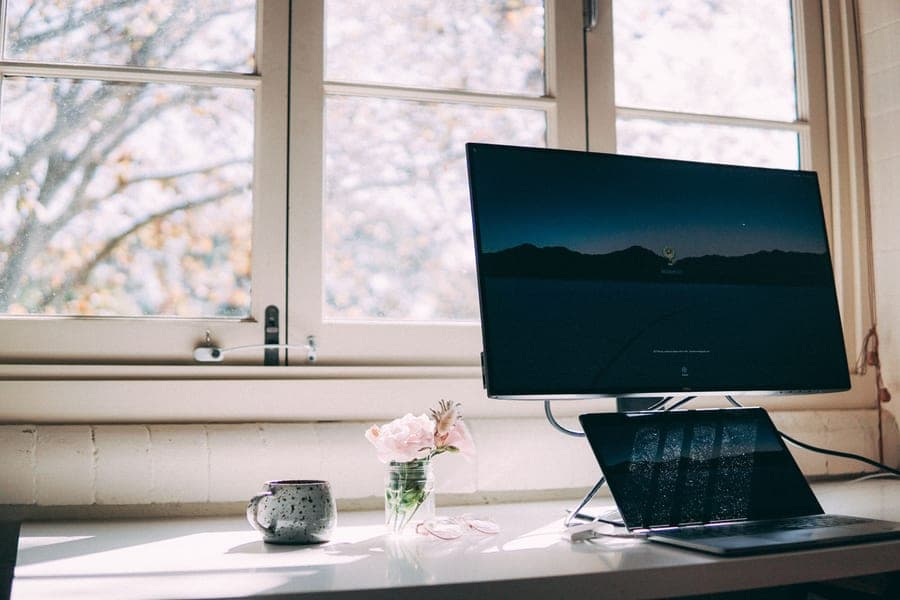 Field-tested picks · 2026
How we are funded: Thump & Tote earns a commission when you buy through our Amazon links, at no extra cost to you. It never changes which speaker we put first — see how we pick and our affiliate disclosure.
Quick picks
Ranked for value first. Tap any row to jump to the full write-up.
| # | Product | Best for | Price |
|---|---|---|---|
| 1 |  Illustrative IllustrativeTribit XSound GoSixteen watts, a day of battery, and cheap enough to lose. | Best for a dorm room overall | Check price on Amazon |
| 2 | 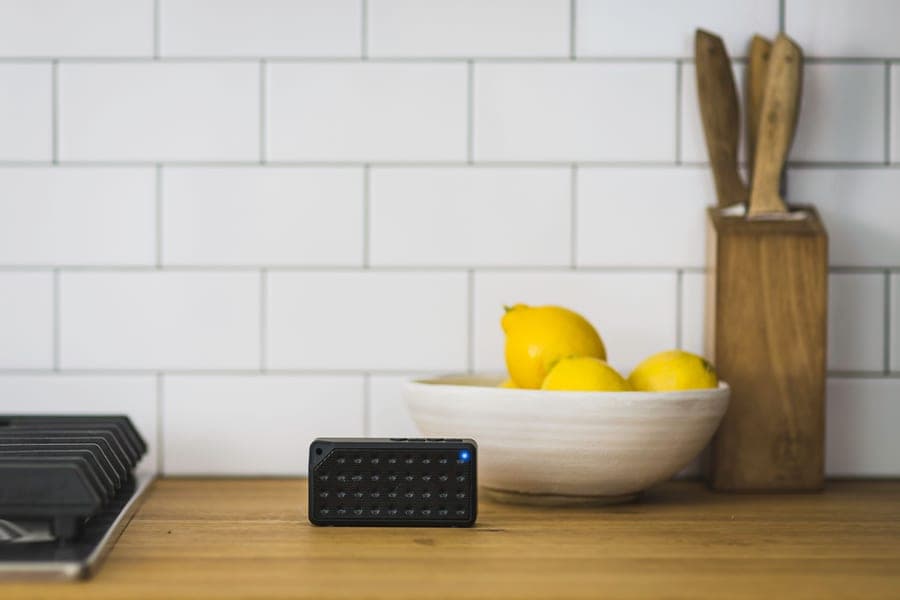 Illustrative IllustrativeSoundcore Motion 300Stereo at arm's length, and almost no depth. | Best for a desk | Check price on Amazon |
| 3 |  Illustrative IllustrativeTribit StormBox Mini+Reactive lighting on a speaker designed as a speaker. | Best with lights | Check price on Amazon |
| 4 | Illustrative Anker Soundcore 2Buy two and still spend less than one mid-tier speaker. | Best stereo pair | Check price on Amazon |
#ad — buy links go to Amazon and we earn a commission on qualifying purchases. Prices change constantly, so the live listing is always the price of record. Full disclosure.
The Tribit XSound Go is the best Bluetooth speaker for a dorm room: sixteen watts is more than a cinder-block room needs, a quoted 24 hours at half volume means it leaves the charger alone, and it is cheap enough that a shared room and a move-out truck are not a tragedy. If the speaker is going to live on a desk and you sit close to it, the Soundcore Motion 300 is the better listen — genuine stereo at arm's length, with almost no depth behind it.
A dorm room is an unusual acoustic space and the advice written for living rooms does not transfer. The walls are typically painted block or thin partition, the floor is hard, there is very little soft furnishing, and the room is small. All of that means sound reflects rather than gets absorbed, so a modest speaker goes much further than it would in a carpeted bedroom — and so does everything your neighbor plays.
The second constraint is social rather than acoustic. You are buying a speaker for a room you share, in a building where volume is a negotiated thing. That pushes the right answer toward clarity at moderate volume rather than output, and it makes bass the specification to be most skeptical about: low frequencies are the part that travels through walls and floors, and they are the part a roommate or an RA will notice first.
What a dorm actually needs
- Enough output, not maximum output. Fifteen to thirty watts fills a hard-walled room comfortably. Past that you are buying volume you will never use without a complaint.
- Controlled bass, or an EQ you can pull back. The XSound Go and the Motion 300 both have app EQ, which is the single most useful dorm feature on this page — turning the factory bass lift down is a real courtesy.
- A small footprint. Desk space in a dorm is the scarcest resource in the room. Slim beats loud.
- Battery, even though there is power. A speaker that runs a day travels to the quad, the laundry room and a friend's room without planning. A speaker chained to a cable stays on the desk.
- A price you can replace. Shared rooms, shared parties and four moves in four years. This is not the place for the premium pick.
The picks
IllustrativeBest Bluetooth speaker for a dorm room
Tribit XSound Go
The long-running budget workhorse: 16 W and a full day of battery.
- What it does well
- Sixteen watts comfortably fills a hard-walled room, a quoted 24 hours at half volume means it rarely sees a charger, and the custom EQ in the app lets you pull back the factory bass lift — which is exactly what a shared building wants. IPX7 covers the drink that will eventually get knocked over.
- Where it cuts corners
- No dust rating, a plasticky shell, and the XBass mode compresses audibly when you lean on it. Street pricing swings enough that you should check before assuming it is the budget option.
- Who it is for
- The default dorm speaker: loud enough, long-lived, and cheap enough that four years of moves do not matter.
- Battery: 24 hours quoted at 50% volume
- Water rating: IPX7 — submersible to 1 m for 30 minutes
- Output: 16 W
#ad — we earn a commission on qualifying purchases. How this is funded
IllustrativeBest for a desk
Soundcore Motion 300
Our default recommendation under $100 — stereo, slim, and honestly specified.
- What it does well
- At desk distance the stereo separation is genuinely audible, which is the one thing a small speaker can give you that a bigger mono box cannot. The flat body takes almost no depth behind a monitor, and thirty watts is plenty for a room this size.
- Where it cuts corners
- The most expensive pick here, thirteen hours is short next to the Tribit, and the slim cabinet means the bass is tidy rather than deep. It does not float.
- Who it is for
- Students who sit at the desk for hours and want the listening to be good rather than merely present.
- Battery: 13 hours
- Water rating: IPX7 — submersible to 1 m for 30 minutes
- Output: 30 W stereo (two 15 W full-range drivers)
#ad — we earn a commission on qualifying purchases. How this is funded
IllustrativeBest with lights
Tribit StormBox Mini+
Reactive lighting on a speaker that is not just a light show.
- What it does well
- The reactive lighting actually tracks the music rather than strobing on a timer, and unlike most lit speakers the audio was clearly designed first. For a room where the overhead light is unflattering and the budget is small, that is a real feature.
- Where it cuts corners
- Lighting halves the battery faster than anything else you can switch on, and the small cabinet means the bass triggering the light show is more visible than audible. Tribit does not publish a clear runtime for it.
- Who it is for
- Rooms where ambience matters as much as sound, and anyone who would otherwise buy a light and a speaker separately.
- Battery: Manufacturer-quoted; check the current listing
- Water rating: IPX7 — submersible to 1 m for 30 minutes
#ad — we earn a commission on qualifying purchases. How this is funded
IllustrativeBest stereo pair
Anker Soundcore 2
Years old, still sold, still the battery-life champion of the cheap shelf.
- What it does well
- Twenty-four hours from a speaker this cheap is still remarkable, and two of them pair into a true stereo set for less than a single mid-tier speaker — which in a small room, where you sit inside the stereo field, is a bigger upgrade than any single box at the money.
- Where it cuts corners
- Visibly dated design, no dust rating, and soft treble next to anything released recently. BassUp adds thump at the cost of clarity, which is the wrong trade in a shared building.
- Who it is for
- Students who want width rather than volume, and are happy to run two speakers on one desk.
- Battery: 24 hours
- Water rating: IPX7 — submersible to 1 m for 30 minutes
- Output: 12 W stereo
#ad — we earn a commission on qualifying purchases. How this is funded
Side by side
| Battery | Output | App EQ | Pairs for stereo | |
|---|---|---|---|---|
| Tribit XSound Go | 24 hours at 50% | 16 W | Yes | Yes (TWS) |
| Soundcore Motion 300 | 13 hours | 30 W stereo | Yes | Yes |
| Tribit StormBox Mini+ | Not clearly published | Not published | Yes | Not published |
| Anker Soundcore 2 | 24 hours | 12 W stereo | No | Yes |
The roommate problem
The complaint that gets a speaker confiscated is almost never about volume in the abstract — it is about bass through a wall. High frequencies are absorbed by almost everything, including the wall itself; low frequencies pass through structure and re-radiate on the other side, which is why you hear a neighbor's bass line but not their vocals. A bass-boost mode is therefore the single setting most likely to cause a problem, and turning it off costs you very little in a small reflective room.
Two placement habits help more than any purchase. Keep the speaker off the desk surface and off the wall — a speaker touching a shared structure couples its vibration directly into the building, and a folded towel or a book under it breaks that path. And aim it into the room rather than along the wall, which gets more of the sound to you and less of it to the next room. The same physics is set out in how to make a Bluetooth speaker louder, where it works in your favor.
What to skip
Skip the party speakers. A Boom 2 or a StormBox Blast in a dorm is not an upgrade, it is a noise complaint with a carry strap — and it takes a quarter of the desk. If there genuinely is a party, it is outdoors, and that is a borrowed-speaker problem rather than a bought-speaker one.
Skip the premium tier too, at least for now. A Bose or a Marshall is a better speaker and a worse dorm purchase: four years of moves, shared rooms and borrowed gear argue hard for something replaceable. Spend the difference on headphones for the library instead. If the budget really is the constraint, start at best Bluetooth speakers under $50.
Frequently asked questions
What is the best Bluetooth speaker for a dorm room?
How loud does a dorm room speaker need to be?
How do I stop my speaker annoying my roommate or neighbors?
Do I need battery life in a dorm room where there is power?
Are two cheap speakers better than one good one in a dorm?
Update log
- First publication. Picks selected for clarity at moderate volume in a small hard-walled room rather than maximum output, with app EQ treated as a feature because pulling back the bass is what keeps a dorm speaker in the room.
Sources
Every specification quoted above comes from the manufacturer or retailer listing below. We publish no measurements of our own — see how we pick.
- Tribit — XSound Go product page (manufacturer specifications)
- Soundcore — Motion 300 product page (manufacturer specifications)
- RTINGS — Soundcore Motion 300 measurements (independent test lab)
- Soundcore — Soundcore 2 product page (manufacturer specifications)
- Bluetooth SIG — Bluetooth technology overview (profiles, codecs, LE Audio)
Read next
By Price
The best Bluetooth speakers under $50 in 2026
More speaker than this money used to buy. Five picks and an honest account of what you lose.
By Price
The best Bluetooth speakers for a computer in 2026
Desk picks chosen for near-field listening and connection behavior, not for outdoor output.

By Price
The best small Bluetooth speakers
Pocket and desk-sized picks, ranked on how much they get out of a cabinet that cannot be big.
Outdoor & Party
The best Bluetooth speakers with lights in 2026
Lit speakers where the audio came first — and an honest account of what the LEDs cost you.
Guides
How to pair two Bluetooth speakers
Platform-by-platform steps for stereo and multi-speaker pairing — and why cross-brand does not work.
Guides
How to make a Bluetooth speaker louder
The volume limits your phone applies by default, and the free placement gains that beat them.