By Price
The best Bluetooth speakers for podcasts and audiobooks in 2026
Every speaker on the shelf is tuned to sell music. Spoken word wants the opposite, and that makes this a cheap category to shop.
By Ryder M.Published
 Field-tested picks · 2026
How we are funded: Thump & Tote earns a commission when you buy through our Amazon links, at no extra cost to you. It never changes which speaker we put first — see how we pick and our affiliate disclosure.
Quick picks
Ranked for value first. Tap any row to jump to the full write-up.
| # | Product | Best for | Price |
|---|---|---|---|
| 1 |  Illustrative IllustrativeSoundcore Motion 300Real stereo, hi-res support and an EQ that lifts voices. | Best overall | Check price on Amazon |
| 2 |  Illustrative IllustrativeAnker Soundcore 212 W of stereo and 24 hours for very little money. | Best value | Check price on Amazon |
| 3 |  Illustrative IllustrativeMarshall Emberton III32+ hours and a restrained tuning that does not tire you. | Best for all-day listening | Check price on Amazon |
| 4 |  Illustrative IllustrativeSoundcore Select 4 Go20 hours, IP67 and a strap, at the lowest price here. | Best budget pick | Check price on Amazon |
| 5 |  Illustrative IllustrativeTribit StormBox Micro 2A rubber brick that follows you room to room. | Best to carry around | Check price on Amazon |
#ad — buy links go to Amazon and we earn a commission on qualifying purchases. Prices change constantly, so the live listing is always the price of record. Full disclosure.
The Soundcore Motion 300 is the best speaker for podcasts and audiobooks, because speech is a midrange event and this is the cheapest speaker we recommend with genuine stereo separation, honest mids and an app EQ you can use to lift the vocal band. For most people the Anker Soundcore 2 is the smarter buy — 12 W of stereo and twenty-four quoted hours for a fraction of the price, and spoken word is not demanding. If you listen for hours every day, the Marshall Emberton III has 32+ hours and the most restrained tuning here, which is the thing that stops long sessions becoming tiring.
This category is strange, and it is strange in your favor. Almost every portable speaker sold is voiced to impress in a thirty-second shop demo, which means a lifted bass and lifted treble with the midrange pushed back between them. That curve flatters a pop chorus. It is actively bad for a human voice, because a human voice lives almost entirely in the midrange that has been pushed back.
So the speaker that sounds best for a podcast is frequently not the one that sounds most impressive next to it in the store — and it is usually cheaper, because you are not paying for a subwoofer you do not want. If you mainly listen to talk, this is one of the few places on this site where $30 genuinely competes with $200.
What actually matters for spoken word
- Honest midrange, not bass. Speech intelligibility lives roughly between 300 Hz and 4 kHz. A speaker with a big bass lift masks the lower end of that range, which is why bass-heavy speakers make podcasts sound boomy and indistinct rather than warm.
- A usable EQ. The single highest-value feature on this page. Any speaker with a three- or five-band app EQ can be turned into a good speech speaker in thirty seconds by pulling the bass down and lifting the mids. Without one you are stuck with the factory voicing.
- Long battery. Spoken-word listening is measured in hours a day, not minutes — audiobooks especially. Twenty hours quoted is the floor worth looking at here, and it is cheap to get. Battery life, honestly explains why to halve the number.
- Mono is fine, stereo is a bonus. Most podcasts are recorded in mono or near-mono, so stereo imaging matters far less than for music. It still helps for dramatized audio and for separating two voices talking over each other. Mono vs stereo covers when it is worth paying for.
- Portability, because you will move it. The defining behavior of talk listening is wandering — kitchen, bathroom, garage, garden. A speaker with a strap or a loop and enough battery to not need its charger is what actually gets used.
- Output, last and least. You listen to speech quietly, usually while doing something else. 5 to 30 W is plenty in any normal room, and pushing a small speaker hard is what makes speech harsh. How many watts is loud covers the sizing.
The picks
IllustrativeBest overall for podcasts and audiobooks
Soundcore Motion 300
Our default recommendation under $100 — stereo, slim, and honestly specified.
- What it does well
- Two 15 W full-range drivers giving 30 W of real stereo, which is the cheapest genuine stereo we recommend — and for interview podcasts with two mics it audibly separates the speakers rather than stacking them. The app EQ is the real draw: pull the bass down and lift the mids and it becomes a very clear speech speaker. Wireless hi-res support, IPX7 so it can follow you into a bathroom, and SmartTune means it works standing or lying flat.
- Where it cuts corners
- Thirteen hours is the shortest battery on this page, which is a genuine weakness for audiobook listeners — expect to charge it every couple of days. IPX7 leaves dust untested. There is no aux input, no carry strap and no FM, and the default factory tuning needs the EQ adjustment described above to be at its best.
- Who it is for
- People who listen to interview and multi-voice podcasts and want the clearest result without spending real money.
- Battery: 13 hours
- Water rating: IPX7 — submersible to 1 m for 30 minutes
- Output: 30 W stereo (two 15 W full-range drivers)
#ad — we earn a commission on qualifying purchases. How this is funded
IllustrativeBest value for spoken word
Anker Soundcore 2
Years old, still sold, still the battery-life champion of the cheap shelf.
- What it does well
- 12 W of actual stereo and twenty-four quoted hours from a 5,200 mAh cell, for a price in the under-$50 bracket. That combination is close to ideal for talk: enough separation to keep two voices distinct, enough battery that an audiobook habit never meets a dead speaker, and little enough money that you can own two. IPX7 means the bathroom and the garden are both fine, and a second unit pairs wirelessly for stereo.
- Where it cuts corners
- BassUp is the wrong mode for this job and should stay off — leave it on and speech turns boomy. There is no dust rating. The cabinet is small enough that it sounds thin if you walk away from it, the finish is plain, and this is the oldest design we recommend. No strap or loop of any kind.
- Who it is for
- Almost everyone. If you are not sure how much you care, buy this one and spend the difference on nothing.
- Battery: 24 hours
- Water rating: IPX7 — submersible to 1 m for 30 minutes
- Output: 12 W stereo
#ad — we earn a commission on qualifying purchases. How this is funded
IllustrativeBest for all-day listening
Marshall Emberton III
Thirty-two hours and a genuinely grown-up tuning, in something you can pocket in a coat.
- What it does well
- 32+ hours is the longest quoted runtime of anything we recommend at this size, and twenty minutes on the charger returns about six — which is the right shape for someone who has audio playing from breakfast to bedtime. The tuning is the real reason it is here: restrained and even, with none of the lifted-ends voicing that makes cheap speakers fatiguing over a long session. True Stereophonic throws sound in several directions, so it does not need to be aimed at you. IP67 covers dust and water.
- Where it cuts corners
- It sits well above this site's usual value ceiling, and for spoken word specifically you are paying for refinement most listeners will not notice. No aux input, no app EQ worth the name, and it is not especially loud for the money. There is no stated drop rating despite the rugged look.
- Who it is for
- Heavy audiobook and podcast listeners, home workers with audio on all day, and anyone who finds cheap speakers tiring.
- Battery: 32+ hours, with 20 minutes of charging giving about 6 hours
- Water rating: IP67 — submersible to 1 m for 30 minutes, dustproof
- Output: Two 38 W Class D amplifiers driving two 10 W full-range drivers plus two passive radiators
- Weight: 1.5 lb (0.67 kg)
#ad — we earn a commission on qualifying purchases. How this is funded
IllustrativeBest budget pick
Soundcore Select 4 Go
The honest answer at the very bottom of the market.
- What it does well
- Twenty quoted hours and IP67 at the lowest price on this page. For a single voice reading a book, 5 W at arm's length is genuinely all the speaker required, and the integrated strap means it hangs off a door handle, a towel rail or a bag and goes wherever you are. At 265 g and 121 x 83 x 48.5 mm it is pocketable in a coat, and it is cheap enough that leaving it in a shed is fine.
- Where it cuts corners
- 5 W is the least output here and it will not fill a large room or compete with a dishwasher. There is almost no bass, which is fine for speech and poor if you also want music. No EQ, no aux, no stereo pairing, and the plastic shell has no pretensions.
- Who it is for
- Audiobook listeners, a second speaker for another room, and anyone who wants the cheapest thing that does the job properly.
- Battery: 20 hours
- Water rating: IP67 — submersible to 1 m for 30 minutes, dustproof
- Output: 5 W
- Weight: 265 g
#ad — we earn a commission on qualifying purchases. How this is funded
IllustrativeBest to carry room to room
Tribit StormBox Micro 2
The best-argued cheap speaker on the market, and now a last-generation bargain.
- What it does well
- A sealed rubber brick with an integrated strap, 10 W and IP67 — the most carry-anywhere speaker on this page, and spoken word is the use case that moves most. It straps to a bag, a rail, a handlebar or a belt loop, and the quoted 120 ft Bluetooth range means your phone can stay on the other side of the house while you keep listening. The rubber shell survives a workshop or a garden with no thought at all.
- Where it cuts corners
- Twelve hours is modest for an audiobook habit. It is mono with no real low end, so voices are clear but thin, and music is a compromise. No EQ. The strap is short, and the quoted playtime is at the lower end of this page.
- Who it is for
- Listeners who follow the audio around the house, garden and garage rather than sitting still with it.
- Battery: Up to 12 hours
- Water rating: IP67 — submersible to 1 m for 30 minutes, dustproof
- Output: 10 W
- Weight: 315 g
#ad — we earn a commission on qualifying purchases. How this is funded
How the five compare
| Speaker | Output | Stereo | Quoted battery | App EQ |
|---|---|---|---|---|
| Soundcore Motion 300 | 30 W | Yes — two drivers | 13 h | Yes |
| Anker Soundcore 2 | 12 W | Yes — plus TWS pairing | 24 h | BassUp only |
| Marshall Emberton III | Two 38 W amps, two 10 W drivers | True Stereophonic | 32+ h | No |
| Soundcore Select 4 Go | 5 W | No | 20 h | No |
| Tribit StormBox Micro 2 | 10 W | No | Up to 12 h | No |
Note that the output column is close to irrelevant for this use case — the 5 W speaker and the 30 W speaker are both perfectly audible for a podcast in a normal room. What the column really tells you is how well each one doubles as a music speaker, which is worth knowing but is not what this page ranks on.
Why bass-heavy speakers make voices worse
Speech intelligibility is carried almost entirely by the midrange. The fundamental frequencies of an adult voice sit roughly between 85 and 255 Hz, but the consonants that let you tell "cat" from "cap" live between about 2 kHz and 4 kHz, and the vowel information in between. Virtually nothing useful in a podcast happens below 100 Hz.
A bass-boost mode adds energy exactly where there is no information, and because human hearing masks quiet sounds near loud ones, that added energy partially covers the lower midrange that does carry information. The result is a voice that sounds thick and slightly indistinct — people describe it as muddy or boomy, and they usually blame the recording. It is almost always the speaker's tuning.
The same mechanism explains why a tiny cheap speaker often sounds clearer on a podcast than a big expensive one: the small speaker physically cannot produce the low frequencies that would do the masking. It is not better engineered, it just has less to get in the way. Why cheap speakers sound cheap covers the other side of that trade, and why your speaker sounds muffled covers what to check when it is not the tuning.
How much to spend
The $25 to $50 band is the honest answer for spoken word, and that is the lowest recommendation we make for any listening use case. Speech is undemanding: it needs no bass extension, no high output and no stereo width. The under-$50 tier covers it, and under $30 gets you something genuinely usable.
Spend up to around $100 for one real reason — you want the same speaker to handle music properly, which is where the Motion 300's stereo and 30 W earn their keep. See best under $100. Spend above $150 only for the battery: if audio runs all day in your house, the Emberton III's 32+ hours changes a habit, and that is a legitimate thing to pay for even though the sound quality is not the reason.
What we did not pick, and why
- The Soundcore Boom 2 and Boom 2 Plus. Both have real subwoofers, which is precisely the wrong hardware for this job. Excellent speakers, wrong page — see best bass if that is what you want.
- The Avantree PowerByte and BoomByte. Genuinely appealing here, because both have a real FM tuner for talk radio and the PowerByte has an aux input. Neither publishes an IP rating, which rules them out for a speaker you carry into a kitchen or bathroom — see speakers with FM radio if the speaker will stay on a shelf.
- Smart speakers. The most common real-world podcast speaker, and legitimately convenient. They depend on Wi-Fi and they are not portable, which is the behavior this page is about. Bluetooth vs Alexa covers the trade.
- Headphones. Often the better answer for audiobooks, and we would rather say so than pretend otherwise — see Bluetooth speaker vs headphones for an honest comparison before you spend anything.
If the speaker will live on a desk, the best speakers for a computer ranks on latency and stereo separation. If it is going in a kitchen, the best speakers for a kitchen ranks on a wipe-clean shell. And if you want the clearest-sounding speaker regardless of content type, best sound quality is the broader list.
Frequently asked questions
What is the best Bluetooth speaker for podcasts?
Why do podcasts sound muddy on my Bluetooth speaker?
Do I need a stereo speaker for audiobooks?
How much should I spend on a speaker for podcasts?
What battery life do I need for audiobooks?
Are headphones better than a speaker for podcasts?
Update log
- First publication. Ranked on midrange honesty, EQ availability and battery rather than bass or output, which spoken word does not use.
Sources
Every specification quoted above comes from the manufacturer or retailer listing below. We publish no measurements of our own — see how we pick.
- Soundcore — Motion 300 product page (manufacturer specifications)
- RTINGS — Soundcore Motion 300 measurements (independent test lab)
- Soundcore — Soundcore 2 product page (manufacturer specifications)
- Marshall — Emberton III product page (manufacturer specifications)
- TechRadar — Marshall Emberton III review
- Tom's Guide — Tribit StormBox Micro 2 review
- Bluetooth SIG — Bluetooth technology overview (profiles, codecs, LE Audio)
Read next

By Price
The best sounding Bluetooth speakers in 2026
Ranked on tonal accuracy rather than loudness, with the point of diminishing returns marked.

By Price
The best Bluetooth speakers for a computer in 2026
Desk picks chosen for near-field listening and connection behavior, not for outdoor output.
Head-to-Head
Bluetooth speaker vs headphones
Where each one genuinely wins, what the money buys on each side, and a verdict per use case.
By Price
The best Bluetooth speakers under $50 in 2026
More speaker than this money used to buy. Five picks and an honest account of what you lose.
Head-to-Head
Mono vs stereo Bluetooth speakers
When stereo separation is audible, when it is marketing, and the four speakers that handle each case.
Guides
Why cheap Bluetooth speakers sound cheap
The editorial spine of this site: what a small cabinet physically cannot do, and what it can.
By Price
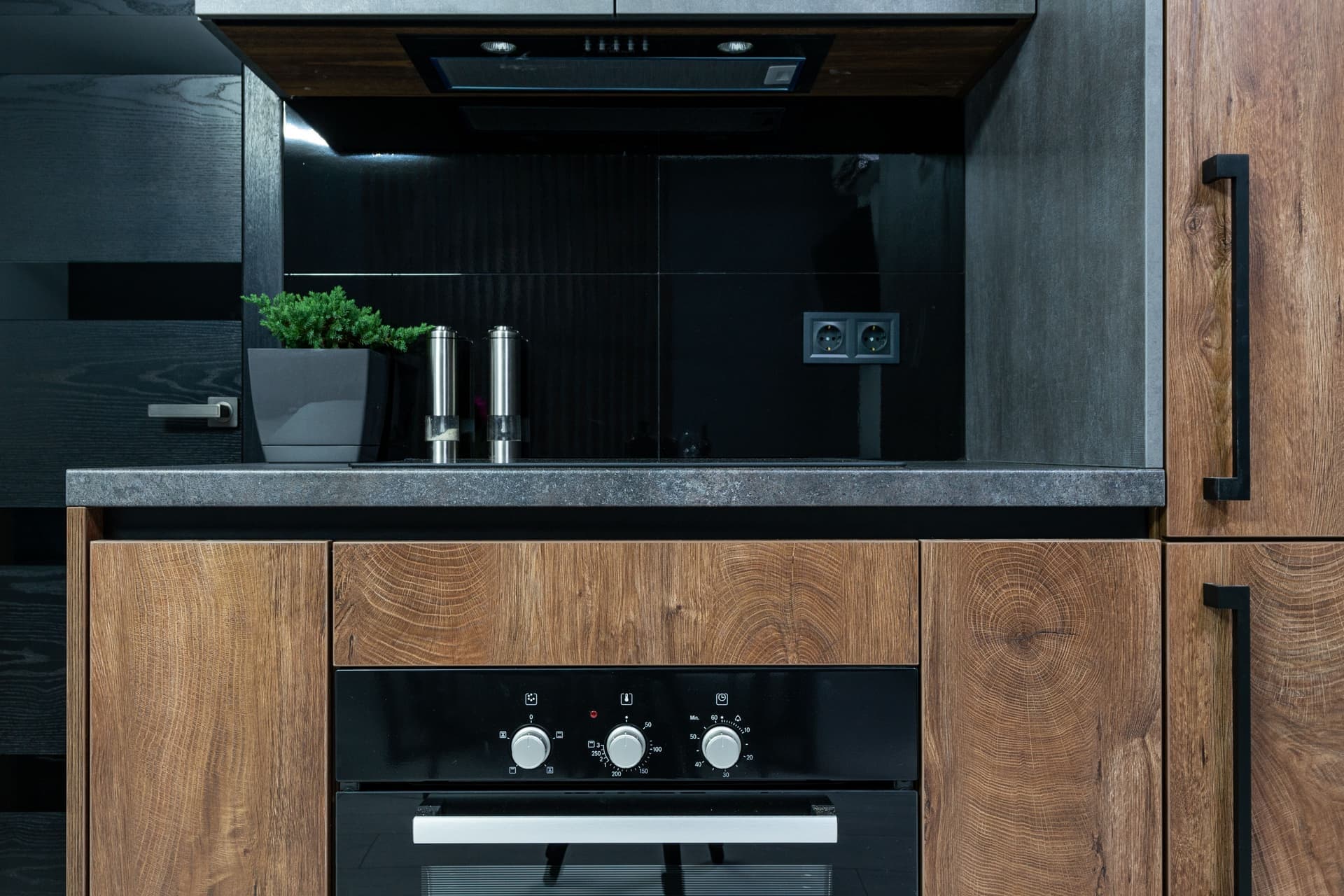
The best Bluetooth speakers for a kitchen in 2026
Why a wipe-clean shell and clear voices beat bass on a counter, and the five that suit it.