Brands & Alternatives
JBL Flip alternatives
The Flip 7 is the category's default answer. Nobody shopping for an alternative is asking for more speaker - they are asking what the badge costs.
By Ryder M.Published
 Field-tested picks · 2026
How we are funded: Thump & Tote earns a commission when you buy through our Amazon links, at no extra cost to you. It never changes which speaker we put first — see how we pick and our affiliate disclosure.
Quick picks
Ranked for value first. Tap any row to jump to the full write-up.
| # | Product | Best for | Price |
|---|---|---|---|
| 1 | 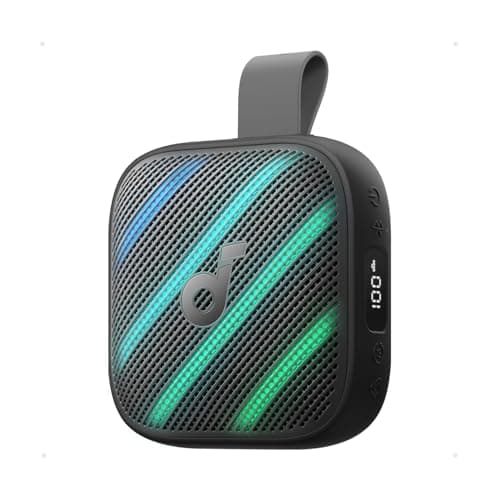 Soundcore Boom Go 3i24 hours against the Flip's 14, IP68, and a 1 m drop rating. | Best overall alternative | $49.99$79.9938% offView on Amazon |
| 2 | 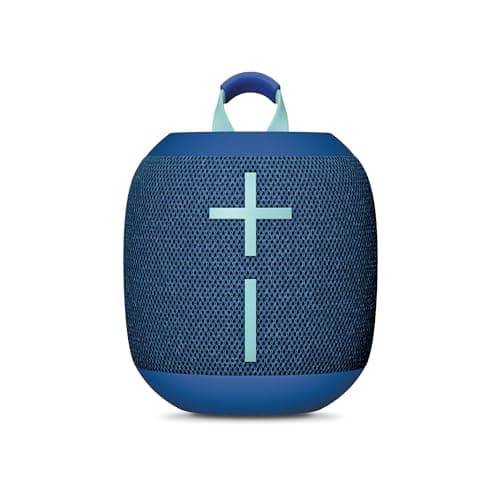 UE Wonderboom 4It floats and takes a 5 ft drop. The Flip does neither. | Best for water | $58.90View on Amazon |
| 3 | 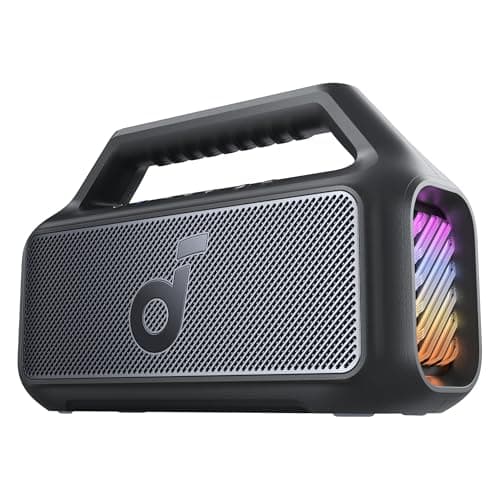 Soundcore Boom 2A 50 W subwoofer and two tweeters instead of one small cabinet. | Best if you want more volume | $84.99$129.9935% offView on Amazon |
| 4 | 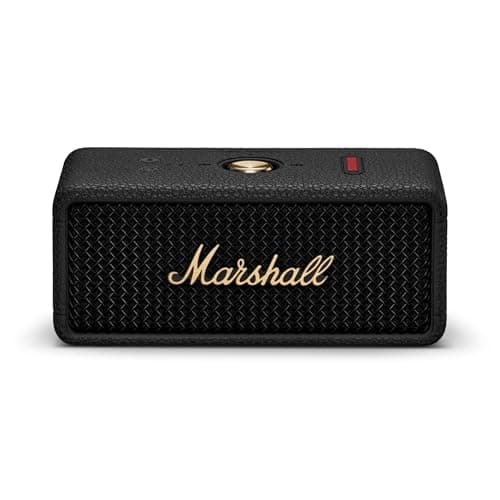 Marshall Emberton III32+ hours and a grown-up voicing, at a step up in price. | Best battery and tuning | $119.99$179.9933% offView on Amazon |
| 5 | 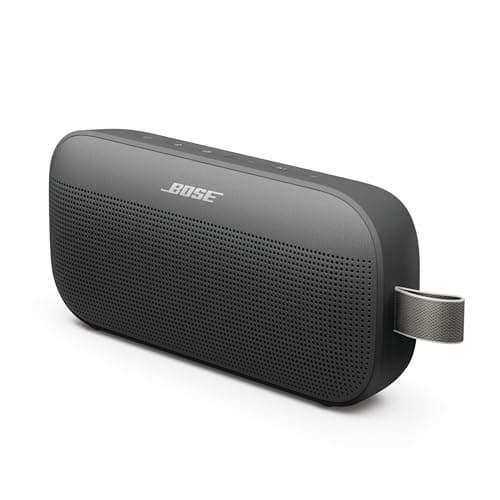 Bose SoundLink Flex (2nd Gen)The tonal upgrade, with a worse battery than the Flip. | Best sounding | $99.00$149.0034% offView on Amazon |
| 6 | 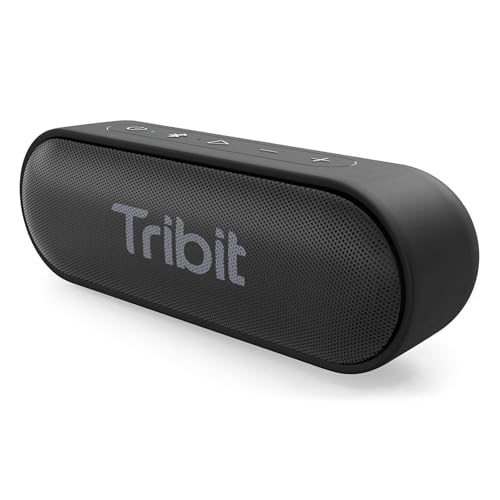 Tribit XSound Go16 W and a quoted 24 hours for a fraction of the Flip. | Best budget pick | $32.99$39.9918% offView on Amazon |
#ad — buy links go to Amazon and we earn a commission on qualifying purchases. Prices change constantly, so the live listing is always the price of record. Full disclosure.
For most people the best JBL Flip alternative is the Soundcore Boom Go 3i: it quotes 24 hours against the Flip 7's 14, it is IP68 *and* drop-tested from 3.28 ft (1 m) where JBL publishes no drop height at all, it weighs 0.84 lb against the Flip's 1.82 lb, and at list price it undercuts the Flip substantially. The honest trade is output — 15 W with BassUp 2.0 is less amplifier than a Flip, and you hear it the moment you take both outside. If the speaker is going near water, take the UE Wonderboom 4 instead: it floats, it is rated for 5 ft drops, and the Flip does neither. The budget pick is the Tribit XSound Go, which quotes 16 W and 24 hours at 50% volume.
Before any of that, it is worth being straight about what the Flip is. The JBL Flip 7 is the speaker the rest of this category is designed against, and it earns most of that position. JBL publishes 14 hours of playtime plus up to 2 more in Playtime Boost, IP68 sealing — submersible to 1.5 m for 30 minutes and fully dustproof, which is a step beyond the IP67 most rivals stop at — Bluetooth 5.4, USB-C lossless audio so a laptop can feed it over a cable with no Bluetooth compression, Auracast linking for chaining speakers without an app dance, and a clip-on loop in the box. It weighs 1.82 lb.
What that buys you in practice is evenness. The Flip 7 holds its tonal balance from quiet to loud better than almost anything cheaper, which is a harder engineering problem than raw volume and the thing budget speakers most reliably fail at. If you have read our JBL Flip 7 review, none of this will be new.
So the question is not whether the Flip is good. It is whether the premium is the best use of your money, and for a lot of buyers it is not — which is the whole reason this page exists. Is JBL worth it? is the longer version of that argument across the entire range.
How we chose, and what counts as an alternative
An alternative to a Flip has to be a speaker you would genuinely carry in place of one, so every pick below had to clear four bars before it was eligible.
- A published water rating, at minimum IPX7. The Flip 7 is IP68. A speaker that cannot survive a poolside splash is not competing with it, whatever else it does.
- At least the Flip's quoted battery, or a clear reason it is shorter. Fourteen hours is the number to beat. Two picks below are shorter and both say so plainly in their own section.
- One-hand portable. Under about 2 lb, or carried by a strap. The moment a speaker needs planning to move, it is a different product — that is what the best outdoor party speakers covers.
- Real carry hardware, or a real reason not to need it. The Flip ships a loop. Most of these do something equivalent; speakers with a carry strap or handle is the full list.
We do not measure speakers. Every figure on this page is a manufacturer-published specification, captured from the listings recorded in our sources, and where no figure exists we say "not published" rather than inventing one. How we pick sets out the method in full.
What you actually gain by leaving the Flip
Battery is the easiest win, and it is not close. Fourteen hours is a long day, not a weekend. The Marshall Emberton III quotes 32+ hours, the Soundcore Boom Go 3i and the Tribit XSound Go both 24, and the Soundcore Boom 2 up to 24 with its lights and BassUp off. If your speaker lives in a bag for a weekend rather than an evening, this single specification will change your experience more than anything else on the page — the longest-battery-life Bluetooth speakers ranks the whole registry on it.
Toughness is the second, in two directions. The Flip's IP68 is the best sealing here, but JBL publishes no drop height and no buoyancy claim. The Boom Go 3i is drop-tested from 3.28 ft, and the UE Wonderboom 4 is rated for 5 ft drops and floats face-up. For a speaker that spends its life near water and concrete, a published drop figure is worth more than one extra IP digit — see the most durable Bluetooth speakers and the best floating Bluetooth speakers.
Price is the third, and for this site it is the point. At list price most of the picks below undercut the Flip and two of them do so by a wide margin, while the ones that sit above it buy you something specific rather than a badge. Street prices in this category move constantly, though, and a sale can reorder the whole page in a week — so treat the live price on each card as the figure of record and the price talk here as the shape of the market rather than today's ranking. The best Bluetooth speakers for the money is our main value ranking, and the best Bluetooth speakers under $100 is where most of this page's value picks live.
What you give up is mostly consistency and the ecosystem. Auracast links JBL speakers to each other, and if you already own one JBL, a second JBL is genuinely the easier life — Auracast vs PartyBoost explains why the two systems do not mix. You also give up USB-C lossless audio, which no pick below offers; if you wanted a speaker you can cable to a laptop, that is a real loss and speakers with USB-C audio is the short list that keeps it.
And you may give up tonal evenness. This is the thing the cheap picks trade away, and it is worth naming honestly: a 15 W or 16 W speaker driven hard compresses, the bass thins out, and the Flip does not do that until much later. Why cheap speakers sound cheap is the mechanical explanation.
The picks
Best overall alternative — more battery, better rated, half the weight
Soundcore Boom Go 3i
Our default recommendation under $100 — tough, long-running and honestly specified.
- What it does well
- Twenty-four quoted hours against the Flip 7's fourteen, with an actual battery-percentage readout on the speaker instead of the usual three-LED guess, so it never dies unannounced. IP68 matches the Flip for sealing and then adds the thing JBL does not publish: a 3.28 ft (1 m) drop test. At 0.84 lb it is less than half the Flip's weight, the two-slot silicone strap genuinely converts between a bike-and-backpack clip and a hand loop, and it brings Bluetooth 6.0, TWS stereo pairing across two units, Auracast, an app EQ and emergency phone charging.
- Where it cuts corners
- Fifteen watts with BassUp 2.0 is the trade, and it is a real one: this is a speaker for a kitchen, a desk or one end of a patio, and a Flip will out-shout it outdoors. It does not float despite the IP68 rating, there is no USB-C audio input and no aux input, and the twenty-four hour figure assumes its fourteen light modes are switched off — the light show is the fastest way to spend the battery it is otherwise so good at keeping.
- Who it is for
- The buyer who wanted a Flip for battery, toughness and daily carry rather than for volume.
- Battery: 24 hours, with a battery-level display on the speaker
- Water rating: IP68 — submersible and dust-tight, and drop-tested from 3.28 ft (1 m)
- Output: 15 W with BassUp 2.0, quoted at 92 dB peak
- Weight: 0.84 lb
#ad — we earn a commission on qualifying purchases. How this is funded · Price as of November 28, 2026
Best for water — it floats, and the Flip does not
UE Wonderboom 4
The one to buy if the speaker is going anywhere near water.
- What it does well
- Two 40 mm active drivers plus two passive radiators in a sealed round body radiating 360 degrees, so it sounds even from any angle without being aimed — which matters far more around a pool than on-axis accuracy ever does. It is IP67 with a published 5 ft drop rating and it floats face-up, and neither of those last two claims appears anywhere in the Flip 7's specifications. Fourteen hours matches the Flip exactly, the quoted range is 131 ft, and at 14.81 oz it is the lightest pick here.
- Where it cuts corners
- No app EQ at all, so Ultimate Ears' warm voicing is final and a bad shelf stays a bad shelf. IP67 is a step below the Flip's IP68, there is no aux input, no USB-C audio, no multipoint, no speakerphone worth using, and no stereo pairing with a second unit. The 360-degree design also trades stereo imaging away entirely, and at list price Ultimate Ears asks close to JBL money for it, so how much you actually save depends entirely on what both are selling for the day you look.
- Who it is for
- Pool, beach, boat and shower, where a drop is likely rather than possible.
- Battery: 14 hours
- Water rating: IP67 — submersible to 1 m for 30 minutes, dustproof, and it floats
- Weight: 14.81 oz (420 g)
#ad — we earn a commission on qualifying purchases. How this is funded · Price as of November 28, 2026
Best if the real complaint was volume
Soundcore Boom 2
The value answer to a party speaker: it floats, it is loud, and it lasts a day.
- What it does well
- If you looked at a Flip and thought it would not be loud enough outdoors, this is the honest answer, and it is usually the cheaper one as well — check both cards. A 50 W subwoofer plus two 15 W tweeters gives up to 80 W peak and a quoted response down to 45 Hz, which is real subwoofer-driven low end rather than an EQ trick. It also floats, it is IPX7, the quoted runtime is up to 24 hours, and the carry strap makes the size manageable.
- Where it cuts corners
- It is a much bigger object than a Flip — this one stays in the car, not the bag, and it is the wrong answer if portability was ever the point. IPX7 leaves dust untested where the Flip is fully dustproof, the twenty-four hour figure assumes BassUp and the light ring are off, and there is no USB-C audio. The tuning is louder and boomier rather than more accurate, so it is a step sideways on refinement and a step up on output.
- Who it is for
- Backyards, pools and tailgates where output matters more than what fits in a bag.
- Battery: Up to 24 hours at 50% volume with BassUp and lights off
- Water rating: IPX7 — submersible to 1 m for 30 minutes, and it floats
- Output: Up to 80 W peak output (a 50 W subwoofer plus two 15 W tweeters)
#ad — we earn a commission on qualifying purchases. How this is funded · Price as of November 28, 2026
Best battery and the most grown-up tuning
Marshall Emberton III
Thirty-two hours and a genuinely grown-up tuning, in something you can pocket in a coat.
- What it does well
- Marshall quotes 32+ hours — more than twice the Flip 7 — with 20 minutes of charging returning about six hours and a two-hour full charge, and JBL publishes no comparable fast-charge figure. Two 38 W Class D amplifiers drive two 10 W full-range drivers plus two passive radiators in Marshall's True Stereophonic 360-degree layout, quoted 65 Hz to 20 kHz at 90 dB SPL at 1 m. It is IP67, it has Bluetooth 5.3 LE with multipoint, and it weighs 1.5 lb — lighter than the Flip.
- Where it cuts corners
- At list price it costs more than the Flip, which makes it the wrong pick if you came here purely to save money. It is not especially loud for the money either — you are paying for refinement and runtime, not output. There is no aux input at all, no USB-C audio, no app room correction, it does not float, and IP67 is a step below the Flip's IP68.
- Who it is for
- Anyone who liked the Flip's size and polish but will actually use the battery.
- Battery: 32+ hours, with 20 minutes of charging giving about 6 hours
- Water rating: IP67 — submersible to 1 m for 30 minutes, dustproof
- Output: Two 38 W Class D amplifiers driving two 10 W full-range drivers plus two passive radiators
- Weight: 1.5 lb (0.67 kg)
#ad — we earn a commission on qualifying purchases. How this is funded · Price as of November 28, 2026
Best sounding, and the clearest trade on the page
Bose SoundLink Flex (2nd Gen)
The premium benchmark on this site — included so you can see what the money buys.
- What it does well
- Tonally the most convincing speaker in this size class: voices sit forward and the bass is controlled instead of merely loud, and build quality is a clear step above everything cheaper here. It is IP67 for dust and immersion, Bluetooth 5.3, wrapped in silicone so it survives a bag, USB-C, and roughly a four-hour recharge.
- Where it cuts corners
- Up to 12 hours is less battery than the Flip 7's 14, which makes this the only pick here that goes backwards on runtime, and there is no fast charge to make up for it. It lists above the Flip, IP67 is below the Flip's IP68, and there is no aux input, no USB-C audio, no multipoint and no app room correction. For most listeners in most rooms the price gap to the value picks above is larger than the sound gap.
- Who it is for
- Listeners who will genuinely sit and listen, not people who need background music at a barbecue.
- Battery: Up to 12 hours
- Water rating: IP67 — submersible to 1 m for 30 minutes, dustproof
#ad — we earn a commission on qualifying purchases. How this is funded · Price as of November 28, 2026
Best budget pick
Tribit XSound Go
The long-running budget workhorse: 16 W and a full day of battery.
- What it does well
- Sixteen watts and a quoted 24 hours at 50% volume, for a small fraction of a Flip — this is the cheapest speaker on the page by a wide margin and the one that makes the badge question hardest to dodge. It takes IPX7 immersion, runs Bluetooth 5.3, charges over USB-C, pairs two units into stereo, and has a custom EQ with an XBass mode in the app so you can undo the factory bass lift.
- Where it cuts corners
- No dust rating at all — the X in IPX7 means that axis was never tested, where the Flip is certified dustproof. The shell is plasticky, there is no drop rating, no carry hardware worth the name, no Auracast and no USB-C audio, and at high volume the XBass mode audibly compresses. Street pricing on this model also swings a long way, so check before assuming it is the cheap option.
- Who it is for
- Dorm rooms, garages and kitchens where loud and long-lived beats refined.
- Battery: 24 hours quoted at 50% volume
- Water rating: IPX7 — submersible to 1 m for 30 minutes
- Output: 16 W
#ad — we earn a commission on qualifying purchases. How this is funded · Price as of November 28, 2026
The Flip 7 against the alternatives
| Speaker | Quoted battery | Sealing | Drop rating | Weight |
|---|---|---|---|---|
| JBL Flip 7 | 14 hours, plus up to 2 more | IP68 — 1.5 m for 30 minutes | Not published | 1.82 lb |
| Soundcore Boom Go 3i | 24 hours | IP68 | 3.28 ft (1 m) | 0.84 lb |
| UE Wonderboom 4 | 14 hours | IP67, and it floats | 5 ft | 14.81 oz |
| Soundcore Boom 2 | Up to 24 hours | IPX7, and it floats | Not published | Not published |
| Marshall Emberton III | 32+ hours | IP67 | Not published | 1.5 lb |
| Bose SoundLink Flex (2nd Gen) | Up to 12 hours | IP67 | Not published | Not published |
| Tribit XSound Go | 24 hours at 50% volume | IPX7 — no dust rating | Not published | Not published |
What about the Flip 6, and the older Flips?
A last-generation Flip is a legitimate alternative to a current one, and on this site that is usually the first thing to check. The Flip 6 does not have the Flip 7's USB-C audio, Auracast or AI Sound Boost, and it is IP67 rather than IP68 — but it is the same size class, it is still widely sold, and the discount can be substantial. JBL Flip 7 vs Flip 6 sets out exactly what the newer model adds, so you can decide whether any of it is worth paying for.
Two warnings about buying older or cheaper Flips. First, a "Flip" at a price that looks too good usually is — spotting fake Bluetooth speakers covers what counterfeits get wrong, and JBL dupes draws the line between a cheaper equivalent and a fake. Second, a used Flip is a used battery; how long Bluetooth speakers last explains what that means in practice.
Who should look at a different size entirely
- Anyone who wants bass they can feel. Every pick here except the Boom 2 is roughly Flip-sized, and physics is unsympathetic. The best Bluetooth speakers for bass explains what size that actually takes.
- Anyone who wants a speaker that charges a phone. The Flip 7 does not, and nor do most of these. JBL Charge alternatives and the best Bluetooth speakers with a power bank are the pages for that.
- Anyone who needs it clipped on rather than set down. The best clip-on Bluetooth speakers and JBL Clip 5 vs Go 4 are the right comparisons.
- Anyone who needs an aux input. The Flip 7 has none and neither does any pick above. Speakers with an aux input is the list that does.
- Anyone spending less than the budget pick here. The best Bluetooth speakers under $50 and under $30 are honest about what disappears at that money.
For the full write-ups of the two most-recommended picks, see the Soundcore Boom Go 3i review and the UE Wonderboom 4 review. If you would rather compare the brands than the models, Soundcore vs JBL and Tribit vs JBL are the head-to-heads, and the best Bluetooth speaker brands is the overview.
The Flip is not the only speaker people shop this size class against. Beats Pill alternatives runs the same exercise for the Pill, whose 24-hour battery and USB-C lossless audio set a different pair of bars - and three picks appear on both pages for the same reasons.
Frequently asked questions
What is the best alternative to the JBL Flip 7?
Is there a cheaper speaker that is as waterproof as a JBL Flip 7?
Which Flip alternative has the longest battery life?
Will a non-JBL speaker pair with my JBL Flip?
Does any Flip alternative keep USB-C audio?
Is the JBL Flip 7 worth the extra money over these?
What about the JBL Flip 6 instead of an alternative brand?
Update log
- First publication. The Flip is the volume seller of this category and had no model-level alternatives page — only the brand-wide /brands/jbl-alternatives and the /brands/jbl-dupes counterfeit page. Live autocomplete on 2026-11-20 returns "jbl flip 7 alternative", "jbl flip 7 alternative reddit" and "best jbl flip 7 alternative".
Sources
Every specification quoted above comes from the manufacturer or retailer listing below. We publish no measurements of our own — see how we pick.
- JBL — Flip 7 product page (manufacturer specifications)
- RTINGS — JBL Flip 7 measurements (independent test lab)
- What Hi-Fi? — JBL Flip 7 vs Flip 6 comparison
- SoundGuys — JBL Flip 7 vs Bose SoundLink Flex (2nd Gen) comparison
- Soundcore — Boom Go 3i product page (manufacturer specifications)
- Ultimate Ears — Wonderboom 4 product page (manufacturer specifications)
- Soundcore — Boom 2 product page (manufacturer specifications)
- Soundcore — Boom 2 support FAQ
- Marshall — Emberton III product page (manufacturer specifications)
- Bose — SoundLink Flex (2nd Gen) product page
- Tribit — XSound Go product page (manufacturer specifications)
- IEC 60529 — the international standard behind IP ratings
- Bluetooth SIG — Auracast and Bluetooth LE Audio
Read next
Brands & Alternatives
Six alternatives to the Beats Pill, from a 32-hour Marshall to a lit budget pick at a fraction of the money.
Reviews
The benchmark speaker reviewed — what the premium buys and when it stops being worth it.
Head-to-Head
JBL Flip 7 vs Flip 6: is the newer one worth it?
Generation against discount — what the Flip 7 actually added and whether it justifies the gap.
Brands & Alternatives
JBL alternatives: what you actually give up going cheaper
Each popular JBL mapped to its cheaper equivalent, with the real cost of each swap stated.
Brands & Alternatives
The Soundcore Boom 2 beats the Charge on output and battery for less. Only three picks here keep the power bank.
By Price
The best Bluetooth speakers with a carry strap or handle
Straps, telescoping handles and carabiners - seven speakers you can carry with one hand, from the bottom of the market upward.
Waterproof
The best waterproof Bluetooth speakers under $200 in 2026
The $100-$200 waterproof band: IP68 sealing, speakers that float the right way up, and one that charges your phone.